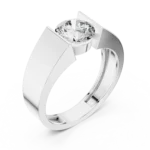
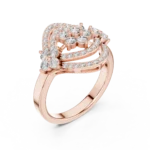
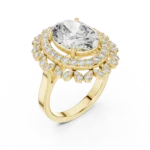
No products added!

Introduction
Designing your own engagement ring is one of the most personal ways to create a meaningful piece of jewelry.
Instead of choosing a ready-made ring, custom design gives you control over every important detail—diamond shape, metal type, setting style, ring profile, engraving, and final finish. This allows the ring to reflect your partner’s style, your story, and your budget.
For many modern buyers, designing an engagement ring online also makes the process easier. You can explore ideas, compare stone options, review CAD designs, and approve the final ring before production begins.
This guide explains how to design your own engagement ring step by step, what to consider before finalizing the design, and which mistakes to avoid.
Key Takeaways
- Designing your own engagement ring gives you more control over style, budget, stone quality, and personalization.
- Start with your partner’s lifestyle, jewelry taste, and preferred metal color.
- Diamond shape, setting style, and metal choice define the overall look of the ring.
- Lab-grown diamonds can offer more flexibility for larger stones or higher quality grades.
- CAD design approval is one of the most important steps in custom engagement ring design.
- Comfort, durability, and wedding band compatibility should be considered before production.
- A custom engagement ring should balance beauty, practicality, and long-term wearability.
What Does It Mean to Design Your Own Engagement Ring?
Designing your own engagement ring means creating a ring based on your preferences instead of selecting only from existing designs.
You can customize:
- Center diamond shape
- Diamond size
- Diamond quality
- Setting style
- Metal type
- Band width
- Ring profile
- Side stones
- Hidden halo
- Engraving
- Finish
- Wedding band fit
This process allows the final ring to feel more personal and intentional.
A custom engagement ring can be simple, classic, modern, vintage-inspired, bold, minimal, or completely unique.
Step 1: Understand Your Partner’s Style
Before choosing diamonds or settings, start with your partner’s personal style.
Look at the jewelry they already wear.
Ask yourself:
- Do they prefer simple or detailed designs?
- Do they wear yellow gold, white gold, rose gold, or platinum?
- Do they like classic or modern styles?
- Do they prefer minimal jewelry or bold pieces?
- Do they wear rings daily?
- Would they prefer timeless or trendy designs?
This step helps avoid choosing a ring that looks beautiful but does not match the wearer’s lifestyle.
For example, someone who prefers minimal jewelry may love a solitaire ring, while someone who enjoys sparkle may prefer a halo or pavé design.
Step 2: Set a Comfortable Budget
A custom engagement ring does not have to follow outdated spending rules.
Instead, choose a budget that feels comfortable and practical.
Your budget usually depends on:
- Diamond type
- Diamond size
- Diamond quality
- Metal choice
- Setting complexity
- Side stones
- Custom design details
- Craftsmanship
Lab-grown diamonds can be useful for buyers who want a larger center stone or higher quality grade while staying within budget.
The goal is not to spend the most. The goal is to create the best ring for your budget.
Step 3: Choose the Diamond Type
The center stone is usually the main focus of an engagement ring.
Most buyers choose between:
Lab-Grown Diamonds
Lab-grown diamonds are real diamonds created in controlled laboratory environments.
They are popular because they offer diamond beauty, durability, and better value compared to natural diamonds.
They are ideal for buyers who want:
- Larger carat size
- Better clarity
- Higher color grade
- More design flexibility
- Strong value
Natural Diamonds
Natural diamonds are formed underground over long periods of time.
They are often chosen by buyers who value traditional rarity and natural origin.
Both options can be used in custom engagement rings. The right choice depends on budget, preference, and the meaning you want behind the ring.
Step 4: Select the Diamond Shape
Diamond shape has a major impact on the ring’s personality.
Popular engagement ring shapes include:
- Round
- Oval
- Cushion
- Emerald
- Radiant
- Pear
- Princess
- Marquise
Round Diamond
Classic, timeless, and brilliant. A strong choice for buyers who want traditional sparkle.
Oval Diamond
Elegant and modern. Oval diamonds often appear larger on the finger.
Cushion Diamond
Soft, romantic, and vintage-inspired. Great for buyers who like a warm, classic look.
Emerald Cut Diamond
Clean, refined, and sophisticated. Best for buyers who prefer understated luxury.
Radiant Diamond
Bold and sparkly. A good option for buyers who want brilliance with a modern shape.
The best diamond shape depends on personal style, hand shape, and the overall ring design.
Step 5: Prioritize Cut Quality
Cut quality affects how much the diamond sparkles.
Many buyers focus first on carat size, but a larger diamond is not always more beautiful. A smaller diamond with excellent cut quality can look brighter than a larger diamond with weak proportions.
Cut affects:
- Brilliance
- Fire
- Sparkle
- Light reflection
- Overall beauty
When designing an engagement ring, prioritize visual performance before simply choosing the largest stone.
Step 6: Choose the Ring Setting
The setting holds the diamond and defines the ring’s overall design.
Popular engagement ring settings include:
Solitaire Setting
Simple and timeless. This setting highlights the center diamond.
Halo Setting
Small diamonds surround the center stone, creating extra sparkle and a larger appearance.
Three-Stone Setting
Features a center diamond with two side stones. This style feels meaningful and elegant.
Pavé Setting
Small diamonds are set along the band for added shine.
Bezel Setting
The diamond is surrounded by metal. This can offer a modern look and strong protection.
Hidden Halo Setting
Small diamonds are placed beneath the center stone for a subtle sparkle from the side view.
Choose a setting that balances beauty, stone security, comfort, and daily wear needs.
Step 7: Select the Metal
Metal choice affects the ring’s color, durability, maintenance, and overall style.
Popular engagement ring metals include:
- 14K yellow gold
- 14K white gold
- 14K rose gold
- 18K gold
- Platinum
14K Gold
A popular choice for daily wear because it offers durability and a fine jewelry look.
18K Gold
Has a richer gold tone and a more luxurious feel.
White Gold
Clean, modern, and diamond-friendly. Often chosen for a bright look.
Rose Gold
Romantic and warm. A good choice for vintage or soft designs.
Platinum
Strong, premium, and naturally white. Often chosen for long-term durability.
The best metal depends on lifestyle, skin sensitivity, color preference, and budget.
Step 8: Decide on Band Width and Ring Profile
Band width affects both comfort and appearance.
A thinner band can make the diamond look larger, while a wider band can feel stronger and more substantial.
Consider:
- Finger size
- Daily wear comfort
- Center stone size
- Setting height
- Wedding band pairing
- Personal style
The ring profile also matters. A higher setting can make the diamond more visible, while a lower setting may feel more practical for daily wear.
Step 9: Think About Wedding Band Compatibility
Many buyers forget to think about the wedding band while designing the engagement ring.
This can become an issue later.
Before finalizing the design, consider:
- Will a wedding band sit flush?
- Will the ring need a curved band?
- Does the setting block band placement?
- Should both rings be designed together?
- Do you want a matching bridal set?
If the engagement ring has a low setting, large side stones, or a unique shape, a custom wedding band may be needed.
Planning early can create a better final look.
Step 10: Add Personal Details
Personalization makes the ring more meaningful.
You can add:
- Engraving
- Hidden birthstone
- Initials
- Special date
- Symbolic side stones
- Custom gallery design
- Hidden halo
- Two-tone metal
- Unique band shape
These details do not have to be obvious. Sometimes the most meaningful design elements are subtle and private.
Step 11: Review the CAD Design
CAD stands for Computer-Aided Design.
A CAD preview shows the ring before production begins.
It helps confirm:
- Diamond placement
- Band width
- Setting height
- Side stone layout
- Ring profile
- Engraving placement
- Overall proportions
- Wedding band compatibility
This is one of the most important steps when designing your own engagement ring.
Do not approve production until you are confident about the design.
Step 12: Approve Production
Once the CAD design is approved, the ring moves into production.
The production process may include:
- Wax model creation
- Casting
- Stone setting
- Polishing
- Finishing
- Quality inspection
A well-made engagement ring should be checked for stone security, smooth finishing, size accuracy, comfort, and overall appearance before delivery.
Custom Engagement Ring vs Ready-Made Engagement Ring
| Factor | Custom Engagement Ring | Ready-Made Engagement Ring |
| Design Control | High | Limited |
| Diamond Choice | Flexible | Pre-Selected |
| Metal Choice | Flexible | Limited |
| Personalization | Strong | Limited |
| CAD Approval | Available | Usually Not |
| Wedding Band Planning | Easier | Limited |
| Production Time | Required | Usually Faster |
| Uniqueness | High | Moderate |
Ready-made rings are useful when speed matters.
Custom engagement rings are better when you want the design, diamond, metal, and details to feel personal.
Common Mistakes to Avoid
Choosing Only by Carat Size
A bigger diamond does not always look better. Cut quality, shape, and proportions matter.
Ignoring Lifestyle
A very high setting or delicate design may not suit someone who uses their hands often.
Forgetting Ring Comfort
Band width, setting height, and ring profile affect daily wear comfort.
Skipping CAD Review
CAD approval helps confirm the design before production.
Not Checking Certification
For diamond engagement rings, certification helps verify stone quality.
Ignoring Wedding Band Fit
The engagement ring should be planned with the future wedding band in mind.
Expert Tips for Designing Your Own Engagement Ring
- Start with the wearer’s style, not only the diamond.
- Choose a diamond shape that matches personality and hand shape.
- Prioritize cut quality for better sparkle.
- Select a metal that suits daily wear.
- Keep the design comfortable and practical.
- Use CAD approval to review details before production.
- Think about the wedding band early.
- Add personal details that make the ring meaningful.
- Work with a jeweler who explains the process clearly.
Why Design Your Engagement Ring With Custom Karat?
Custom Karat helps buyers create engagement rings that feel personal, premium, and thoughtfully made.
With Custom Karat, buyers can design a ring around their preferred diamond, metal, style, and budget.
Custom Karat offers:
- Custom Engagement Ring Design
Create a ring based on your idea, inspiration, style preference, and personal story.
- Lab-Grown and Natural Diamond Options
Choose lab-grown diamonds for better value or natural diamonds for traditional rarity.
- Multiple Ring Styles
Design solitaire, halo, three-stone, pavé, hidden halo, vintage-inspired, or fully custom rings.
- Premium Metal Choices
Select from gold, white gold, rose gold, platinum, and other suitable fine jewelry metals.
- CAD Design Previews
Review the ring before production to confirm stone placement, band width, setting height, and overall design.
- Transparent Pricing
Understand pricing based on diamond quality, metal, craftsmanship, design complexity, and finishing.
- Direct Manufacturer Value
Get custom jewelry crafted through manufacturing expertise while reducing traditional retail markups.
- Expert Craftsmanship
Each ring is made with attention to stone setting, polishing, durability, comfort, and long-term wearability.
- Secure USA Shipping
Finished jewelry is securely packed and shipped to customers in the USA with proper delivery handling.
Final Verdict
Designing your own engagement ring gives you the freedom to create something meaningful instead of choosing only from standard designs.
The best ring is not always the biggest or most expensive one. It is the ring that balances diamond quality, metal strength, setting style, comfort, personal meaning, and long-term wearability.
For buyers who want more control, custom engagement ring design is a smart choice.
Custom Karat helps modern buyers design engagement rings with lab-grown or natural diamonds, CAD approval, premium materials, transparent pricing, and direct manufacturer craftsmanship.
FAQs
Can I design my own engagement ring online?
Yes. You can design your engagement ring online by choosing the diamond, metal, setting, size, and custom details before production.
Is designing an engagement ring more expensive?
Not always. The cost depends on diamond quality, metal, setting style, and design complexity.
Can I use a lab-grown diamond in a custom engagement ring?
Yes. Lab-grown diamonds are widely used in custom engagement rings.
What is the first step in designing an engagement ring?
Start by understanding your partner’s style, lifestyle, and preferred metal color.
Why is CAD approval important?
CAD approval helps you review the ring design before production begins.
Which diamond shape is best for engagement rings?
Popular options include round, oval, cushion, emerald, radiant, pear, princess, and marquise. The best shape depends on personal style.
What metal is best for engagement rings?
14K gold, 18K gold, and platinum are popular choices for engagement rings.
Should I think about the wedding band while designing the engagement ring?
Yes. Planning the wedding band early helps avoid fit issues later.

About Author Brijesh Sharma
Brijesh Sharma is a jewelry retail industry author who shares expert insights on diamonds, lab-grown jewelry, custom designs, and smart jewelry buying. His content helps customers understand quality, pricing, trends, and craftsmanship so they can make confident jewelry purchase decisions.