No products added!

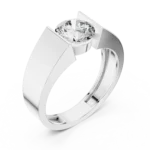
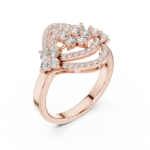
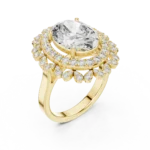
In jewelry, a mounting is the metal framework that holds a gemstone or forms the structure of a piece before stones are set. The term can also describe the process of securing a gem in that framework. A mounting affects appearance, comfort, stone security, and future maintenance.
What Is Mounting in Jewelry Design or Manufacturing?
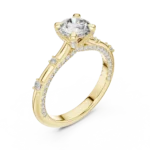
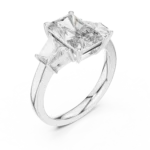
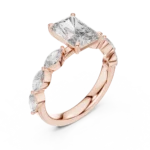
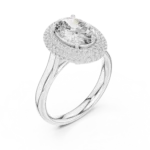
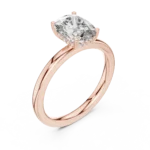
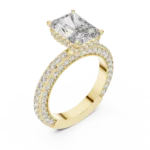
A ring mounting may include the shank, head, prongs, gallery, and other supporting parts. An unfinished mounting is sometimes sold separately so a jeweler can fit a selected center stone. “Mounting” and “setting” overlap in everyday usage, but a setting more specifically refers to the arrangement that secures a gem.
How Mounting Works in the Jewelry-Making Process
The jeweler chooses a design that suits the gemstone’s measurements and shape, then casts or fabricates the metal structure. The mounting is checked for fit, alignment, and sufficient metal at stress points. A setter secures the stone using prongs, a bezel, a channel, or another suitable method, followed by finishing and inspection.
Benefits and Limitations of Mounting
A well-designed mounting can protect vulnerable edges and show a gem attractively. Open designs may admit more light but expose the stone to knocks; enclosed designs can offer protection while changing the visible profile. Very delicate metalwork may need extra care.
When Is Mounting Used?
Mountings are used in engagement rings, pendants, earrings, and other gemstone jewelry. Custom projects often begin with a mounting design tailored to the stone, the wearer’s lifestyle, and the intended look.
Related Design and Manufacturing Terms
- Prong Setting: Metal claws that hold a gemstone at selected contact points.
- Bezel Setting: A metal rim that surrounds and secures part or all of a gem’s edge.
- Shank: The band portion of a ring that circles the finger.
- 3D Jewelry Design: Digital modeling used to visualize and refine a jewelry structure before production.
Explore the Custom Karat Jewelry Glossary- and Jewelry Design & Manufacturing for related terms.

About Author Priyanka Kale
Priyanka Kale is a jewelry retail industry author who shares knowledge on diamonds, lab-grown jewelry, custom designs, and jewelry buying tips. Her content helps customers understand quality, pricing, trends, and craftsmanship before making confident jewelry purchase decisions.