No products added!

Quality control in jewelry manufacturing is the inspection of a piece against defined design, material, workmanship, and functional requirements. Checks may happen during production and before an item is approved for delivery.
What Is Quality Control in Jewelry Manufacturing?
Quality control examines finished or partly finished pieces to identify deviations from specifications. It differs from quality assurance, which focuses on the systems intended to prevent problems.
How Quality Control Is Performed
Depending on the design, checks can include measurements, visual inspection of joints and surface finish, assessment of gemstone settings, and review of engraving or assembly. Material claims may need suitable testing or documentation rather than appearance alone.
Where Quality Control Is Used in Jewelry Production
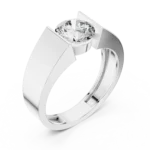
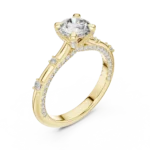
Inspection may follow casting, fabrication, stone setting, polishing, and final assembly. For example, a ring may be checked for smooth edges, consistent dimensions, secure setting components, and conformity with the approved design.
Benefits and Limitations of Quality Control
A consistent inspection process helps detect defects, reduce avoidable rework, and maintain product consistency. Its effectiveness depends on suitable acceptance criteria and trained reviewers. No inspection can promise that a piece will never need future maintenance.
Related Jewelry Manufacturing Terms
- Production Yield: The percentage of pieces meeting defined acceptance criteria.
- Repoussé: A technique for forming raised relief in sheet metal.
- Tolerance: The permitted variation from a specified dimension.
Explore the Custom Karat Jewelry Glossary and Advanced Manufacturing category for related production terminology.

About Author Priyanka Kale
Priyanka Kale is a jewelry retail industry author who shares knowledge on diamonds, lab-grown jewelry, custom designs, and jewelry buying tips. Her content helps customers understand quality, pricing, trends, and craftsmanship before making confident jewelry purchase decisions.