No products added!
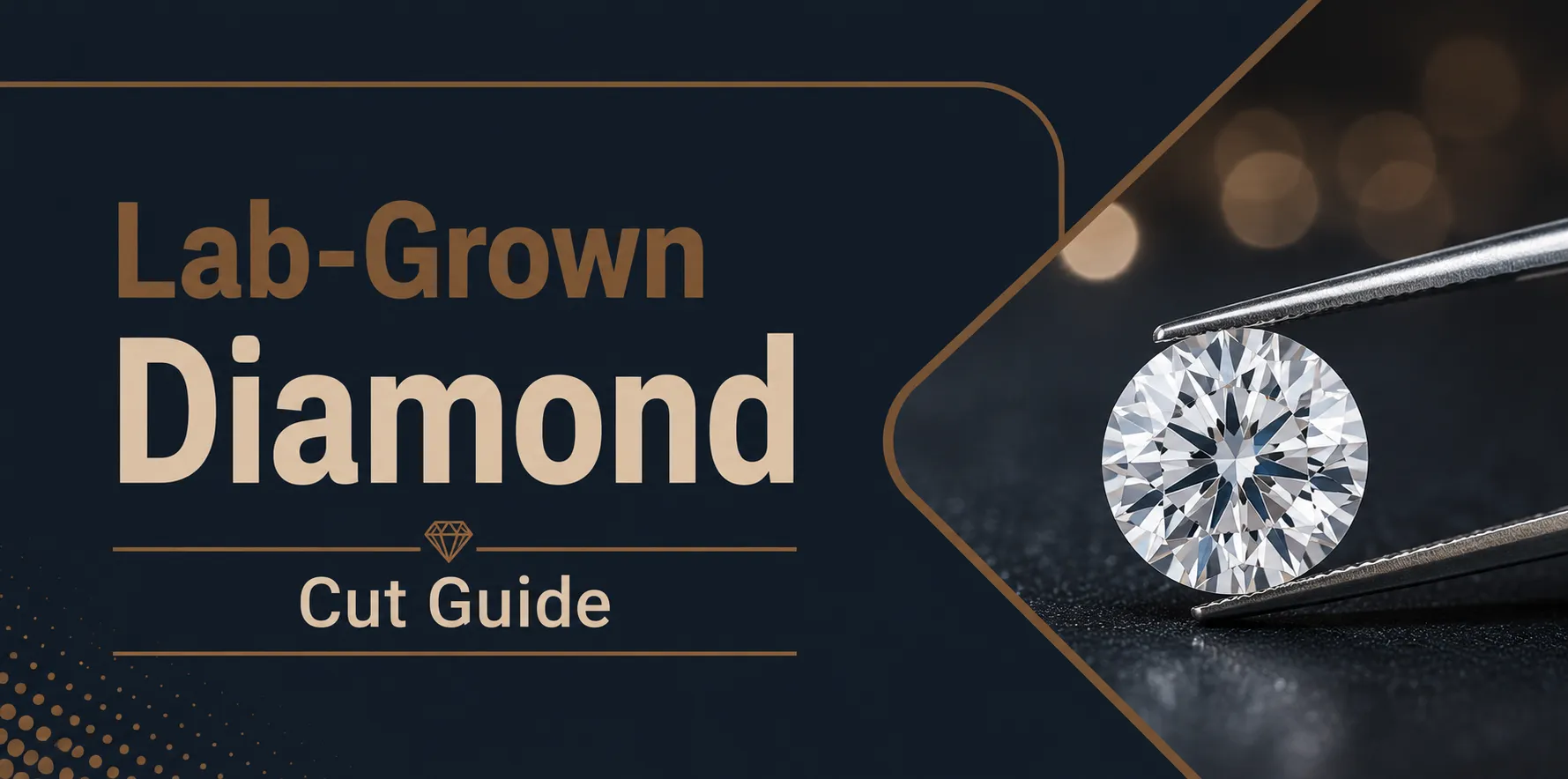
When shopping for a lab-grown diamond, many buyers focus on carat weight, color, or clarity. While these factors are important, diamond experts consistently agree that cut quality is the most important factor affecting a diamond’s beauty.
A perfectly cut lab-grown diamond can appear brighter, larger, and more brilliant than a larger diamond with poor proportions. In fact, cut quality has a greater impact on sparkle than any other diamond characteristic.
Whether you’re purchasing an engagement ring, wedding jewelry, or a custom diamond piece, understanding diamond cut can help you maximize beauty and avoid costly buying mistakes.
This guide explains everything you need to know about lab-grown diamond cut grades, proportions, value considerations, and how to choose the best cut for your budget.
Key Takeaways
- Diamond cut is the most important factor affecting sparkle and brilliance.
- Cut quality determines how effectively a diamond reflects light.
- Lab-grown diamonds follow the same cut grading standards as natural diamonds.
- Excellent and Ideal cut grades generally offer the best visual performance.
- A well-cut diamond can appear larger than a poorly cut diamond of the same carat weight.
- Cut quality impacts brightness, fire, and scintillation.
- Round Brilliant diamonds typically receive formal cut grades from major grading laboratories.
- Poor cut quality can make even high-carat diamonds appear dull.
- Buyers should prioritize cut before color and clarity.
- Certified diamonds provide the most reliable cut information.
What Is Diamond Cut?
Diamond cut refers to how well a diamond’s facets are arranged and proportioned to interact with light.
Many consumers confuse cut with shape, but they are different.
Diamond Shape
Refers to the outline of the diamond:
- Round
- Oval
- Cushion
- Emerald
- Pear
- Radiant
- Princess
Diamond Cut
Refers to:
- Proportions
- Symmetry
- Facet arrangement
- Light performance
- Craftsmanship
Cut determines how much brilliance and sparkle a diamond produces.
Why Diamond Cut Matters
A diamond’s beauty comes from its ability to interact with light.
A properly cut diamond reflects light back toward the viewer, creating:
Brilliance
White light reflections.
Fire
Colored flashes of light.
Scintillation
Sparkling flashes that occur when the diamond moves.
Without proper cut quality, even a large, colorless, flawless diamond can appear lifeless.
How Lab-Grown Diamond Cut Works
Lab-grown diamonds are cut and polished using the same techniques used for natural diamonds.
After the rough diamond is created through:
- HPHT (High Pressure High Temperature)
- CVD (Chemical Vapor Deposition)
master cutters shape and polish the stone to maximize light performance.
Because the cutting process is identical, cut quality standards remain the same regardless of origin.
Understanding Diamond Cut Grades
Major grading laboratories evaluate cut quality based on several factors.
The most commonly used grading scale includes:
| Cut Grade | Performance Level |
| Excellent / Ideal | Exceptional |
| Very Good | Strong |
| Good | Average |
| Fair | Below Average |
| Poor | Weak |
Let’s examine each grade in detail.
Excellent / Ideal Cut
What Is It?
The highest cut grade available.
These diamonds are crafted with highly precise proportions that maximize light return.
Pros
- Exceptional sparkle
- Maximum brilliance
- Outstanding fire
- Strong visual impact
Cons
- Higher pricing
Best For
- Engagement rings
- Fine jewelry
- Long-term value
Expert Recommendation
This is usually the best choice for most buyers.
Very Good Cut
What Is It?
Very Good diamonds perform exceptionally well while costing slightly less than Excellent grades.
Pros
- Strong brilliance
- Better affordability
- Attractive appearance
Cons
- Slightly less light performance
Best For
- Budget-conscious buyers
- Larger carat purchases
Good Cut
What Is It?
A Good cut diamond reflects light adequately but lacks the brilliance of higher grades.
Pros
- Lower cost
- Acceptable appearance
Cons
- Reduced sparkle
- Less impressive performance
Best For
- Budget-focused purchases
Fair and Poor Cut
What Is It?
These diamonds have proportion issues that negatively impact light performance.
Common Problems
- Light leakage
- Dull appearance
- Reduced sparkle
- Smaller visual presence
Expert Recommendation
Avoid Fair and Poor cut diamonds whenever possible.
How Cut Affects Diamond Appearance
Brilliance
Well-cut diamonds return more white light.
Result:
- Brighter appearance
- Stronger visual impact
Fire
Proper facet alignment enhances colorful light flashes.
Result:
- More rainbow-like reflections
Scintillation
Excellent cuts create stronger sparkle when viewed in motion.
Result:
- Dynamic light performance
Apparent Size
A well-cut diamond often appears larger than a poorly cut diamond of identical weight.
Result:
- Better visual value
Diamond Proportions Explained
Cut quality depends heavily on proportions.
Key measurements include:
Table Percentage
The width of the top facet relative to the diamond’s diameter.
Depth Percentage
The diamond’s height relative to its width.
Crown Angle
Influences brilliance and fire.
Pavilion Angle
Affects light reflection and return.
Proper balance among these measurements creates optimal performance.
What Happens When a Diamond Is Cut Too Deep?
A deep diamond carries excessive weight below the surface.
Consequences include:
- Smaller face-up appearance
- Reduced brilliance
- Lower perceived size
Buyers often pay for carat weight they cannot easily see.
What Happens When a Diamond Is Cut Too Shallow?
A shallow diamond allows light to escape through the bottom.
Consequences include:
- Less sparkle
- Reduced brightness
- Lower overall beauty
Why Cut Matters More Than Color and Clarity
Many buyers are surprised to learn that cut often influences appearance more than color or clarity.
For example:
A well-cut H-color VS2 diamond may appear more beautiful than a poorly cut D-color VVS1 diamond.
This is why diamond experts often recommend prioritizing cut quality first.
Best Cut Grades for Lab-Grown Diamonds
Best Overall Choice
Excellent / Ideal
Ideal for:
- Engagement rings
- Premium jewelry
- Maximum sparkle
Best Value Choice
Very Good
Offers strong performance with slightly lower pricing.
Budget Option
Good
Acceptable for some buyers but generally less desirable.
Diamond Cut and Shape
Different shapes interact with light differently.
Highest Sparkle Potential
Round Brilliant
Contains 57–58 facets designed to maximize brilliance.
Most grading laboratories provide formal cut grades for round diamonds.
Popular Fancy Shapes
- Oval
- Pear
- Cushion
- Radiant
- Princess
- Emerald
These shapes are evaluated using proportion and symmetry rather than standardized cut grades alone.
Cost Considerations
Higher cut grades generally cost more.
However, the added beauty often justifies the investment.
Smart Buying Strategy
If your budget is limited:
Prioritize:
- Cut
- Carat
- Color
- Clarity
Many buyers achieve better results by choosing a slightly smaller diamond with superior cut quality.
Common Mistakes Buyers Make
Mistake #1: Prioritizing Carat Over Cut
A larger poorly cut diamond may appear dull and unimpressive.
Mistake #2: Ignoring Cut Grades
Cut directly impacts beauty and performance.
Mistake #3: Buying Based Solely on Specifications
Always evaluate the overall appearance.
Mistake #4: Choosing Fair or Poor Cuts to Save Money
The savings rarely justify the loss in brilliance.
Mistake #5: Overlooking Certification
Cut information should always be verified through certification.
Expert Recommendations
Diamond professionals consistently recommend:
Choose Excellent or Ideal Cut Grades
Maximum brilliance and visual appeal.
Prioritize Cut First
Cut affects appearance more than any other characteristic.
Review Certification Reports
Verify proportions and grading.
Compare Multiple Diamonds
Even diamonds with similar grades can perform differently.
Buy From Reputable Retailers
Transparency is essential.
Trusted grading organizations include:
- IGI
- GIA
Frequently Asked Questions
What is the most important factor when buying a lab-grown diamond?
Most experts consider cut quality the most important factor because it directly affects sparkle and brilliance.
Is diamond cut the same as diamond shape?
No. Shape refers to the diamond’s outline, while cut refers to proportions and light performance.
What is the best cut grade?
Excellent or Ideal cut grades generally provide the best sparkle and visual performance.
Does cut affect diamond size?
Yes. Well-cut diamonds often appear larger than poorly cut diamonds of the same carat weight.
Should I choose a larger diamond or a better cut?
In most cases, a better-cut diamond offers greater beauty and long-term satisfaction.
Are lab-grown diamonds cut differently than natural diamonds?
No. Both are cut and graded using the same industry standards.
Is an Excellent cut worth the extra cost?
For most buyers, yes. The improvement in brilliance and sparkle is often noticeable and worthwhile.
Final Verdict
When it comes to lab-grown diamonds, cut quality is the single most important factor influencing beauty, sparkle, and overall visual impact. While carat weight, color, and clarity all matter, a diamond’s cut determines how effectively it captures and reflects light.
For most buyers, choosing an Excellent or Ideal cut grade is one of the smartest investments they can make. A well-cut diamond will appear brighter, more brilliant, and often larger than a poorly cut diamond with higher specifications elsewhere.
For buyers seeking certified lab-grown diamond engagement rings, custom jewelry, and premium diamond selections, Custom Karat offers expertly crafted pieces designed to maximize brilliance, beauty, and value through exceptional cut quality and craftsmanship.

About Author Brijesh Sharma
Brijesh Sharma is a jewelry retail industry author who shares expert insights on diamonds, lab-grown jewelry, custom designs, and smart jewelry buying. His content helps customers understand quality, pricing, trends, and craftsmanship so they can make confident jewelry purchase decisions.