No products added!


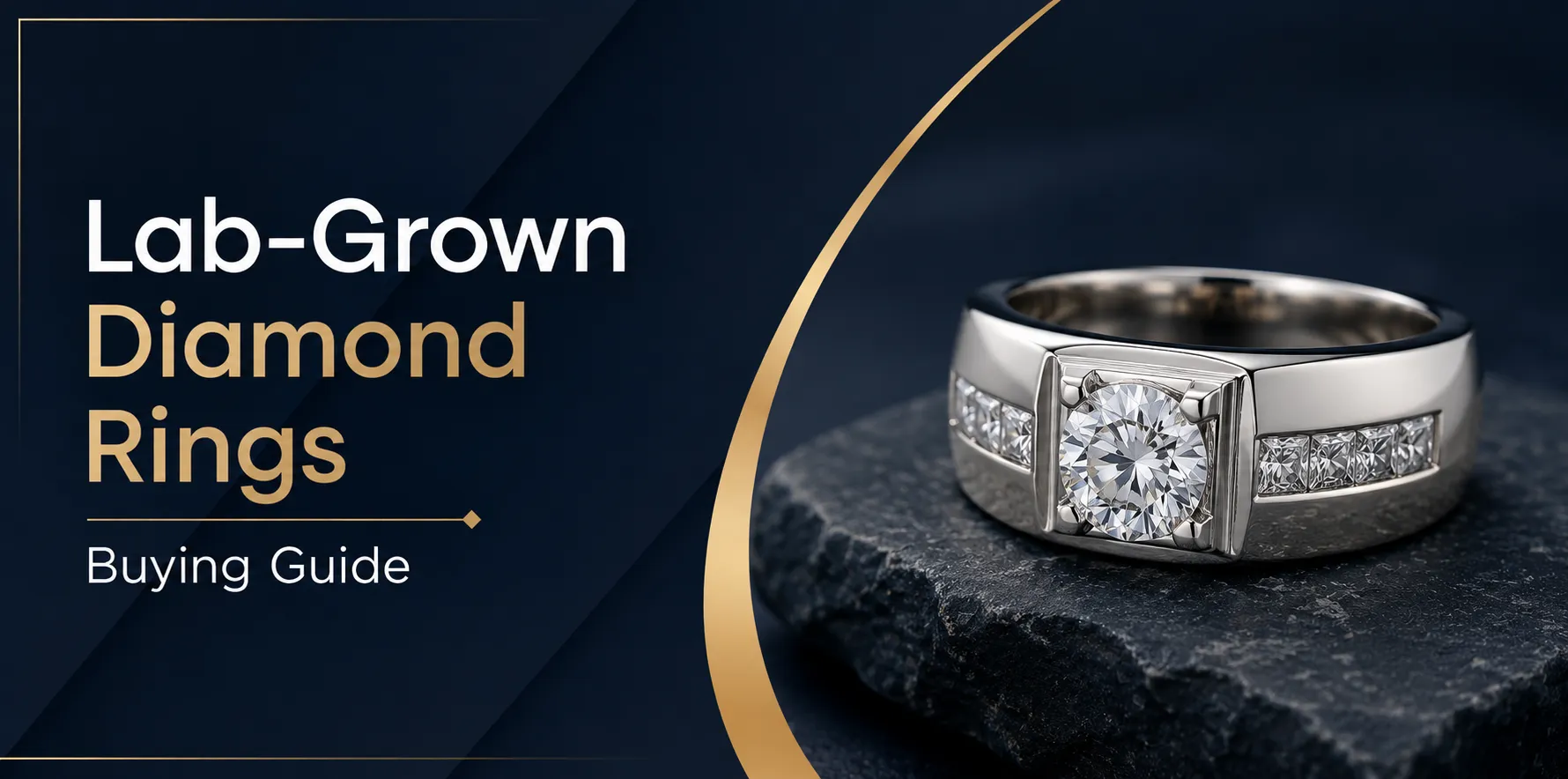
Lab-grown diamond rings are one of the most popular choices for modern buyers who want real diamond beauty, better value, and more customization options.
Whether you are buying an engagement ring, wedding band, anniversary ring, men’s ring, promise ring, or fashion ring, lab-grown diamonds allow you to choose a beautiful design without being limited by traditional natural diamond pricing.
However, buying a lab-grown diamond ring still requires careful planning. You need to understand diamond quality, certification, ring setting, metal type, comfort, durability, and overall craftsmanship before making a final decision.
This lab-grown diamond rings buying guide will help you understand what to check, what mistakes to avoid, and how to choose the right ring for your style, budget, and occasion.
Key Takeaways
- Lab-grown diamond rings use real diamonds created in controlled laboratory environments.
- They are different from cubic zirconia, moissanite, glass, or simulated diamonds.
- Lab-grown diamond rings usually offer better value than natural diamond rings.
- Cut, color, clarity, carat, certification, metal, and setting style all affect the final ring price.
- Engagement rings need strong setting quality and long-term durability.
- Custom lab-grown diamond rings allow buyers to choose shape, metal, setting, engraving, and design details.
- Certification from recognized labs helps verify diamond quality and origin.
- The best ring balances beauty, quality, comfort, budget, and craftsmanship.
What Are Lab-Grown Diamond Rings?
Lab-grown diamond rings are rings made with diamonds created in a laboratory instead of mined from the earth.
These diamonds have the same core beauty, sparkle, and durability expected from diamonds. The main difference is origin. Natural diamonds form underground, while lab-grown diamonds are created in controlled environments using advanced technology.
Lab-grown diamonds can be used in many ring styles, including:
- Engagement rings
- Wedding bands
- Solitaire rings
- Halo rings
- Three-stone rings
- Anniversary rings
- Men’s diamond rings
- Promise rings
- Fashion rings
- Custom rings
Are Lab-Grown Diamond Rings Real Diamond Rings?
Yes, lab-grown diamond rings are real diamond rings.
A lab-grown diamond is not a fake diamond. It is also not the same as moissanite, cubic zirconia, white sapphire, glass, or crystal.
The diamond is real, but it is created in a laboratory instead of being mined.
This makes lab-grown diamond rings a strong choice for buyers who want real diamond jewelry with better value, design flexibility, and modern appeal.
Why Buy a Lab-Grown Diamond Ring?
Lab-grown diamond rings are popular because they offer a strong balance of beauty, value, and customization.
Better Value
Lab-grown diamonds usually cost less than natural diamonds of similar size and quality. This allows buyers to choose a larger diamond, better clarity, higher color grade, or more detailed ring design within budget.
Real Diamond Beauty
Lab-grown diamonds offer real diamond sparkle and brilliance. They can be used in fine jewelry, engagement rings, bridal rings, and custom luxury designs.
More Customization Options
Because lab-grown diamonds offer better value, buyers often have more freedom to customize. You can choose diamond shape, carat size, metal, setting, side stones, engraving, and finishing.
Ideal for Modern Buyers
Lab-grown diamond rings are ideal for buyers who want premium design, transparent pricing, and flexible customization without traditional retail markups.
Step 1: Decide the Purpose of the Ring
Before choosing a diamond, decide why you are buying the ring.
The purpose affects diamond size, setting style, metal choice, durability, and budget.
Engagement Ring
A lab-grown diamond engagement ring usually features a center diamond. For engagement rings, focus on diamond quality, setting strength, ring comfort, certification, and long-term wearability.
Wedding Band
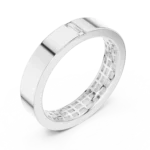
A lab-grown diamond wedding band may include small diamonds across the band. For wedding bands, comfort, durability, stone security, and matching with the engagement ring are important.
Anniversary Ring
Anniversary rings often include multiple diamonds, symbolic designs, or upgraded stones.n They can be customized with meaningful details such as engraving, birthstones, or special diamond shapes.
Men’s Diamond Ring
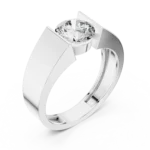
Men’s lab-grown diamond rings often have bolder designs, heavier metal, wider bands, and secure settings. For men’s rings, focus on comfort, durability, metal weight, and strong styling.
Fashion Ring
A fashion ring allows more creative freedom. You can choose unique shapes, colorful stones, statement settings, two-tone metals, or personalized design details.
Step 2: Understand the 4Cs
The 4Cs are the main diamond quality factors.
They include:
- Cut
- Color
- Clarity
- Carat
These factors affect how the diamond looks and how much the ring costs.
Cut
Cut is one of the most important factors in a lab-grown diamond ring. It affects how well the diamond reflects light and how much sparkle it shows.
A well-cut diamond can look brighter and more beautiful than a larger diamond with poor cut quality.
When buying a ring, do not choose only by carat size. A smaller well-cut diamond can look more impressive than a bigger dull diamond.
Color
Diamond color refers to how white or warm the diamond appears.
For white diamonds, less color usually means a higher grade.
Common color ranges include:
- D-F: Colorless
- G-J: Near colorless
- K and below: Warmer tone
For most lab-grown diamond rings, D-F offers a premium icy look, while G-H can provide strong value and still appear white in many settings.
The best color depends on your metal choice, diamond size, and budget.
Clarity
Diamond clarity refers to inclusions and blemishes. Many diamonds have tiny internal characteristics that are not visible to the naked eye.
For lab-grown diamond rings, VS1, VS2, VVS2, and VVS1 are popular choices. Eye-clean SI diamonds may also work in some cases, but they should be reviewed carefully.
For engagement rings and solitaire designs, avoid diamonds with dark center inclusions, heavy clouds, chips, or durability concerns.
Carat
Carat measures diamond weight.
A larger carat can create a stronger visual impact, but carat should not be the only buying factor.
Two diamonds with the same carat weight can look different depending on shape, cut, and measurements.
For better value, buyers can consider slightly below major size points, such as:
- 0.90 carat instead of 1.00 carat
- 1.40 carat instead of 1.50 carat
- 1.90 carat instead of 2.00 carat
This can help reduce cost while keeping a similar visual appearance.
Step 3: Choose the Right Diamond Shape
Diamond shape affects the ring’s personality, sparkle, and size appearance.
Popular lab-grown diamond ring shapes include:
- Round
- Oval
- Cushion
- Emerald
- Radiant
- Pear
- Princess
- Marquise
- Asscher
- Heart
Round Diamond Rings
Round diamonds are classic, timeless, and highly brilliant. They are ideal for solitaire rings, halo rings, pavé rings, and traditional engagement rings.
Oval Diamond Rings
Oval diamonds look elegant and can appear larger than their carat weight. They also create a flattering, elongated look on the finger.
Cushion Diamond Rings
Cushion diamonds have soft corners and a romantic appearance. They work well in vintage, halo, and bridal ring designs.
Emerald Cut Diamond Rings
Emerald cut diamonds look clean, refined, and sophisticated. They show inclusions more easily, so buyers may prefer higher clarity grades.
Radiant Cut Diamond Rings
Radiant diamonds offer strong sparkle with a modern shape. They are great for buyers who want a bold, brilliant ring.
Pear Shape Diamond Rings
Pear diamonds have a teardrop shape that feels graceful and distinctive. They need good symmetry and a protected pointed tip.
Step 4: Choose the Ring Setting
The setting affects how the diamond looks, how secure it is, and how comfortable the ring feels.
Solitaire Setting
A solitaire ring features one main diamond. It is classic, elegant, and ideal for buyers who want the center diamond to be the focus.
Halo Setting
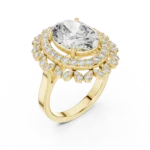
A halo ring surrounds the center diamond with smaller diamonds. This adds sparkle and can make the center stone appear larger.
Pavé Setting
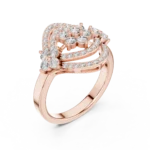
A pavé ring has small diamonds set along the band. It gives extra brilliance and a luxury appearance.
Three-Stone Setting
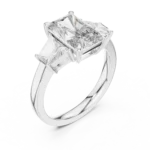
A three-stone ring features one center diamond with two side stones. It is meaningful, balanced, and popular for engagement and anniversary rings.
Bezel Setting
A bezel setting surrounds the diamond with metal. It offers a modern look and strong protection, making it suitable for daily wear.
Hidden Halo Setting
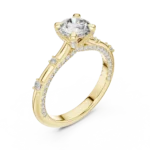
A hidden halo adds diamonds beneath the center stone. It gives extra sparkle from the side view without changing the top appearance too much.
Channel Setting
A channel setting places diamonds between two metal walls. It is commonly used in wedding bands and men’s rings because it offers a clean, secure look.
Step 5: Choose the Right Metal
Metal affects ring color, durability, comfort, and long-term appearance.
Yellow Gold
Yellow gold gives a warm, classic, and luxurious look. It works well with round, oval, cushion, emerald, and yellow diamond designs.
White Gold
White gold gives a clean and modern appearance. It pairs beautifully with colorless and near-colorless lab-grown diamonds.
Rose Gold
Rose gold has a romantic pink tone. It is popular for engagement rings, anniversary rings, and feminine custom designs.
Platinum
Platinum is premium, strong, and naturally white. It is a strong option for engagement rings and daily-wear designs.
Sterling Silver
Sterling silver can be used for select ring designs, but it may not be ideal for every daily-wear engagement ring. For long-term fine jewelry, gold or platinum is usually preferred.
Step 6: Check Diamond Certification
Certification is important when buying a lab-grown diamond ring. A grading report helps verify the diamond’s details.
A report may include:
- Lab-grown origin
- Carat weight
- Diamond shape
- Measurements
- Color grade
- Clarity grade
- Cut grade
- Polish
- Symmetry
- Fluorescence
- Laser inscription
- Report number
Common grading laboratories include IGI and GIA.
Before buying, confirm that the report number can be verified and that the diamond details match the ring being sold.
Step 7: Compare IGI and GIA Reports
IGI and GIA are both recognized names in diamond grading and quality assessment. IGI is commonly used for lab-grown diamonds and often provides detailed 4C-based reports.
GIA is highly respected globally, but buyers should understand the specific lab-grown diamond report or quality assessment format provided.
When comparing certified diamonds, check:
- Report number
- Diamond origin
- Carat weight
- Shape
- Measurements
- Color or quality information
- Clarity or quality information
- Cut details
- Laser inscription
The certificate should support transparency and help buyers compare options confidently.
Step 8: Understand Lab-Grown Diamond Ring Pricing
Lab-grown diamond ring pricing depends on more than the diamond alone.
Main pricing factors include:
- Center diamond size
- Diamond shape
- Cut quality
- Color grade
- Clarity grade
- Certification
- Metal type
- Metal weight
- Setting style
- Side stones
- Band width
- Ring size
- Design complexity
- CAD work
- Craftsmanship
- Finishing
Lab-grown diamonds usually allow buyers to get more diamond size or better quality within budget compared to natural diamonds.
However, the final ring price also depends on metal, setting, labor, and customization.
Lab-Grown Diamond Ring Price Guide
The price ranges below are educational estimates only. Actual pricing can change based on diamond quality, metal, setting, craftsmanship, and market conditions.
| Ring Type | Approximate Price Range |
| Simple Lab-Grown Diamond Ring | $500 – $1,500+ |
| 1 Carat Lab-Grown Diamond Ring | $800 – $3,000+ |
| 2 Carat Lab-Grown Diamond Ring | $1,800 – $6,000+ |
| Lab-Grown Diamond Engagement Ring | $1,000 – $8,000+ |
| Lab-Grown Diamond Wedding Band | $600 – $3,500+ |
| Custom Lab-Grown Diamond Ring | Depends on design, metal, diamond, and craftsmanship |
A simple solitaire ring may cost less than a pavé, halo, three-stone, or custom statement design.
For custom rings, the final quote depends on the full design.
Lab-Grown Diamond Rings vs Natural Diamond Rings
| Factor | Lab-Grown Diamond Rings | Natural Diamond Rings |
| Diamond Type | Real diamond | Real diamond |
| Origin | Created in a laboratory | Formed underground |
| Price | Usually lower | Usually higher |
| Design Flexibility | Strong | Depends on budget |
| Certification | Available | Available |
| Best For | Value, size, custom designs | Rarity and natural origin |
| Appearance | Real diamond beauty | Real diamond beauty |
Both options can make beautiful rings.
The right choice depends on budget, values, style preference, and the meaning behind the purchase.
Best Lab-Grown Diamond Ring Styles
Solitaire Lab-Grown Diamond Rings
Solitaire rings are simple and timeless. They are ideal for buyers who want the center diamond to be the main focus.
Halo Lab-Grown Diamond Rings
Halo rings add extra sparkle around the center diamond. They are a good choice for buyers who want a larger-looking ring.
Pavé Lab-Grown Diamond Rings
Pavé rings feature small diamonds along the band. They create a luxurious look and work well for engagement rings and anniversary rings.
Three-Stone Lab-Grown Diamond Rings
Three-stone rings are meaningful and balanced. They can represent past, present, and future, making them popular for engagements and anniversaries.
Vintage-Inspired Rings
Vintage-inspired rings may include milgrain, engraving, halo details, or antique-style settings. They are ideal for buyers who like romantic and detailed designs.
Men’s Lab-Grown Diamond Rings
Men’s rings often use wider bands, bold settings, channel-set diamonds, black diamonds, or geometric designs. They should be comfortable, durable, and properly balanced.
Best Lab-Grown Diamond Rings for Engagement
Lab-grown diamond engagement rings are popular because they allow buyers to choose a larger or higher-quality center stone within budget.
Popular engagement ring choices include:
- Round solitaire rings
- Oval solitaire rings
- Cushion halo rings
- Emerald cut rings
- Radiant cut rings
- Hidden halo rings
- Three-stone rings
- Pavé band rings
- Custom engagement rings
For engagement rings, buyers should focus on long-term wearability, setting strength, diamond quality, and personal style.
Best Lab-Grown Diamond Rings for Men
Lab-grown diamond rings are also popular for men’s jewelry.
Popular men’s ring styles include:
- Diamond wedding bands
- Signet rings
- Channel-set diamond rings
- Iced-out rings
- Black diamond rings
- Two-tone rings
- Bold statement rings
Men’s diamond rings usually require stronger metal, secure settings, comfortable width, and durable finishing.
Custom Lab-Grown Diamond Rings
Custom lab-grown diamond rings allow buyers to design a ring from scratch or modify an existing style.
You can customize:
- Diamond shape
- Diamond size
- Diamond quality
- Metal type
- Band width
- Setting style
- Side stones
- Ring profile
- Finish
- Engraving
- Hidden details
- Two-tone design
Custom design is ideal for buyers who want a ring that feels personal, meaningful, and made specifically for them.
CAD Design for Custom Lab-Grown Diamond Rings
CAD design is an important step in custom ring production. A CAD preview allows buyers to review the ring before manufacturing begins.
CAD helps confirm:
- Center stone size
- Ring proportions
- Band width
- Setting height
- Side stone placement
- Prong structure
- Hidden halo details
- Engraving placement
- Overall design balance
CAD approval helps reduce confusion and gives buyers more confidence before production.
Common Mistakes Buyers Make
Choosing Only by Carat Size
A larger diamond is not always better. Cut quality, shape, clarity, color, and setting style affect how the ring looks.
Ignoring Certification
Certification helps verify diamond quality and origin. For engagement rings and high-value rings, buyers should always check the report.
Choosing a Weak Setting
The setting holds the diamond in place. A beautiful diamond still needs secure craftsmanship for daily wear.
Skipping CAD Approval
For custom rings, CAD approval is important. It helps confirm proportions, stone placement, ring height, and design details before production.
Forgetting About Comfort
A ring should not only look beautiful. It should feel comfortable for daily wear, especially engagement rings and wedding bands.
Confusing Lab-Grown With Simulated Diamonds
Lab-grown diamonds are real diamonds. Simulated diamonds only look like diamonds and are made from different materials.
Expert Tips for Buying Lab-Grown Diamond Rings
Prioritize Cut First
Cut has the biggest impact on sparkle. Choose a well-cut diamond before focusing only on size.
Choose Eye-Clean Clarity
You do not always need flawless clarity. VS1, VS2, or eye-clean diamonds usually provide excellent beauty and value.
Match Color With Metal
White gold and platinum pair well with colorless or near-colorless diamonds. Yellow gold and rose gold can work beautifully with slightly warmer diamonds.
Check Ring Height
A very high setting may look dramatic but can catch on clothing. For daily wear, choose a practical height and secure structure.
Protect Pointed Shapes
Pear, marquise, and princess diamonds have pointed areas. These should be protected with prongs or suitable setting designs.
Think About Wedding Band Fit
If the ring is an engagement ring, consider how it will sit with a wedding band. Some settings need a curved or custom-fit wedding band.
Review the Full Ring, Not Just the Diamond
Metal quality, setting style, craftsmanship, and finishing are just as important as the diamond.
Buyer Checklist Before Purchasing
Before buying a lab-grown diamond ring, check:
- Is the diamond clearly disclosed as lab-grown?
- Is certification available?
- Can the report number be verified?
- What is the diamond shape?
- What is the carat weight?
- What is the cut quality?
- What is the color grade?
- What is the clarity grade?
- Is the diamond eye-clean?
- What metal is used?
- Is the setting secure?
- Is the ring comfortable for daily wear?
- Is CAD approval available for custom rings?
- Is pricing transparent?
- Is shipping secure?
- Is customer support available?
This checklist helps buyers make a confident decision before ordering.
Why Choose Custom Karat for Lab-Grown Diamond Rings?
Custom Karat helps buyers create lab-grown diamond rings with design control, transparent pricing, and expert craftsmanship.
Instead of choosing from limited ready-made designs, buyers can create a ring around their preferred diamond, metal, setting, and personal style.
Custom Karat offers:
Lab-Grown and Natural Diamond Options
Buyers can choose lab-grown diamonds for better value or natural diamonds for traditional rarity.
This gives more flexibility when creating engagement rings, wedding bands, men’s rings, and custom jewelry.
Custom Ring Design
Custom Karat helps create solitaire rings, halo rings, pavé rings, three-stone rings, men’s rings, anniversary rings, and personalized diamond rings. Each ring can be made around the buyer’s style, size, and budget.
Certified Diamond Options
Buyers can choose diamonds with clear grading or quality details. This helps them understand diamond quality before production begins.
CAD Design Previews
CAD previews allow buyers to review the ring before production. This helps confirm diamond placement, ring proportions, setting style, and final appearance.
Premium Metal Choices
Buyers can choose from yellow gold, white gold, rose gold, platinum, sterling silver, gold vermeil, or suitable custom finishes. The right metal improves durability, comfort, and long-term wear.
Transparent Pricing
Pricing depends on diamond quality, metal, ring style, design complexity, craftsmanship, and finishing. This helps buyers understand what affects the final cost.
Direct Manufacturer Value
Custom Karat offers direct manufacturer craftsmanship. This helps reduce traditional retail markups while keeping the focus on quality and customization.
Expert Craftsmanship
Each ring is made with attention to stone security, polish, comfort, durability, and long-term wearability. A lab-grown diamond ring should look beautiful and feel reliable for everyday use.
Secure USA Shipping
Finished rings are securely packed and shipped to customers in the USA. This gives buyers confidence when ordering custom lab-grown diamond rings online.
Final Verdict
Lab-grown diamond rings are a smart choice for buyers who want real diamond beauty, better value, and more customization freedom.
The best ring is not always the largest or most expensive one. It is the ring that balances cut, color, clarity, carat, certification, metal, setting, comfort, craftsmanship, and personal meaning.
Lab-grown diamond rings are excellent for engagement rings, wedding bands, anniversary rings, men’s rings, promise rings, and custom jewelry.
For buyers who want a ring made around their style and budget, custom lab-grown diamond rings offer strong value and design flexibility.
Custom Karat helps buyers create lab-grown diamond rings with certified diamond options, CAD approval, premium materials, transparent pricing, direct manufacturer value, expert craftsmanship, and secure USA shipping.
FAQs
Are lab-grown diamond rings real?
Yes. Lab-grown diamond rings use real diamonds created in controlled laboratory environments.
Are lab-grown diamond rings worth buying?
Yes. They offer real diamond beauty, better value, and strong customization options.
Are lab-grown diamond rings cheaper than natural diamond rings?
Yes. Lab-grown diamond rings usually cost less than natural diamond rings of similar size and quality.
What should I check before buying a lab-grown diamond ring?
Check cut, color, clarity, carat, certification, metal, setting quality, craftsmanship, comfort, and pricing transparency.
Which diamond shape is best for lab-grown diamond rings?
Round, oval, cushion, emerald, radiant, pear, and princess are all popular choices. The best shape depends on personal style.
What clarity is best for lab-grown diamond rings?
VS1, VS2, VVS2, and VVS1 are popular choices. Eye-clean diamonds can offer excellent value.
What metal is best for lab-grown diamond rings?
Gold, white gold, rose gold, and platinum are popular choices. The best metal depends on design, budget, and daily wear needs.
Should lab-grown diamond rings be certified?
Yes. Certification helps verify diamond origin, quality, and important details.
Can I customize a lab-grown diamond ring?
Yes. You can customize diamond shape, size, metal, setting, band width, engraving, finish, and overall design.
Are lab-grown diamond rings good for engagement?
Yes. Lab-grown diamond engagement rings are popular because they offer real diamond beauty, larger size options, and better value.

About Author Brijesh Sharma
Brijesh Sharma is a jewelry retail industry author who shares expert insights on diamonds, lab-grown jewelry, custom designs, and smart jewelry buying. His content helps customers understand quality, pricing, trends, and craftsmanship so they can make confident jewelry purchase decisions.