No products added!

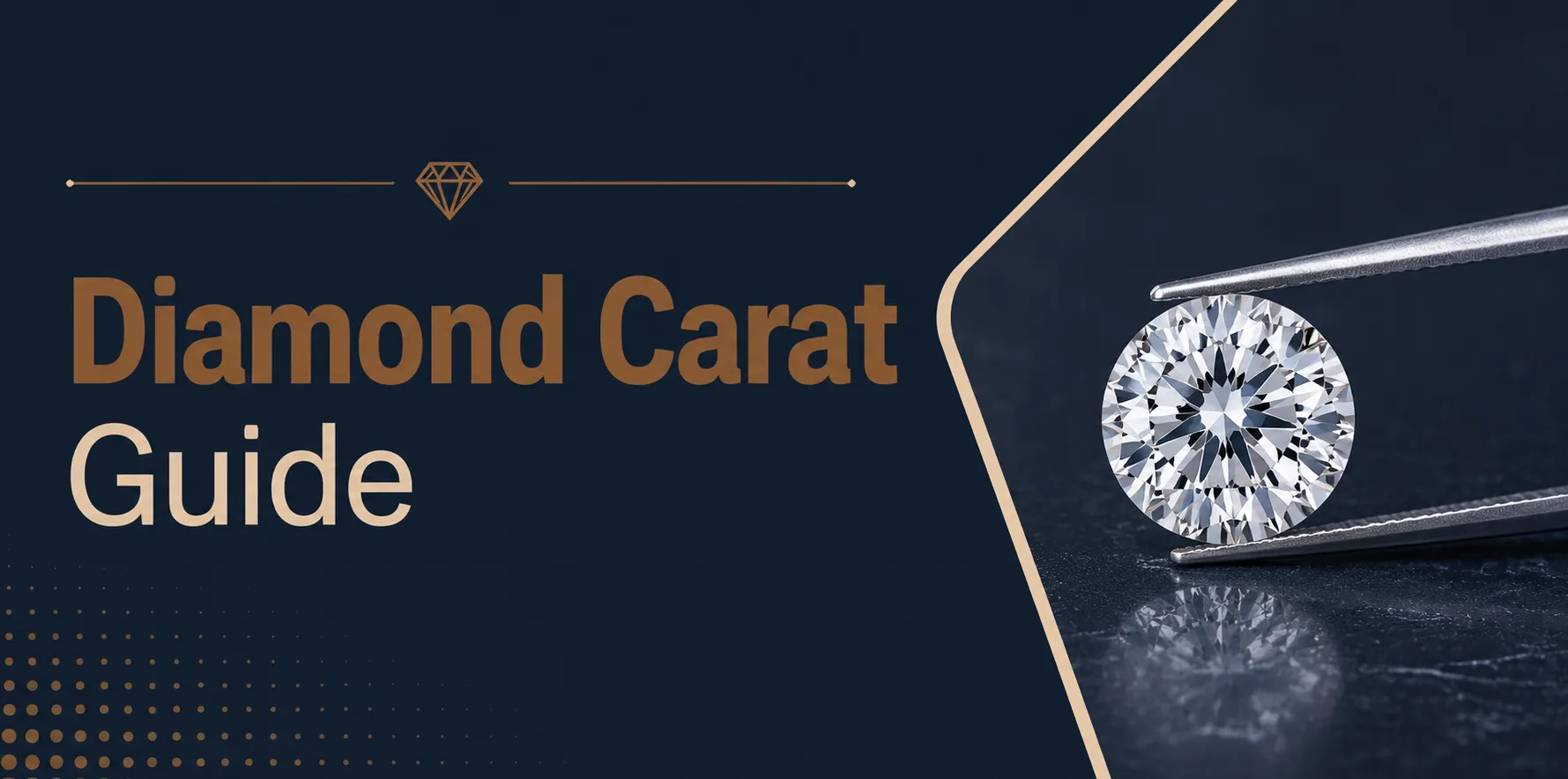
When most people imagine the perfect diamond, they often think about one thing first: size. That’s why diamond carat weight is one of the most discussed and misunderstood aspects of diamond buying.
Many buyers assume that a higher carat automatically means a better diamond. While carat weight certainly affects a diamond’s size and value, it is only one part of the equation. In reality, factors such as cut, shape, and proportions can dramatically impact how large a diamond appears.
Whether you’re shopping for an engagement ring, wedding jewelry, or a custom diamond piece, understanding carat weight can help you make a smarter purchasing decision and avoid overpaying.
This complete guide explains everything you need to know about diamond carat weight, pricing, visual size, and how to choose the right carat for your budget.
Key Takeaways
- Carat is a measurement of diamond weight, not visual size.
- One carat equals 200 milligrams or 0.2 grams.
- Larger diamonds are rarer and therefore more expensive.
- Carat weight significantly influences diamond pricing.
- Two diamonds with the same carat weight can appear different in size.
- Cut quality often affects visual impact more than carat weight.
- Certain diamond shapes appear larger than others.
- Buying slightly below popular carat milestones can save money.
- Certification is essential for verifying carat weight and overall quality.
- The best carat weight depends on budget, preferences, and ring design.
What Is Diamond Carat?
Diamond carat is the standard unit used to measure a diamond’s weight.
1 Carat Equals:
- 200 milligrams
- 0.2 grams
- 100 points
For example:
| Carat Weight | Points |
| 0.25 ct | 25 points |
| 0.50 ct | 50 points |
| 0.75 ct | 75 points |
| 1.00 ct | 100 points |
| 2.00 ct | 200 points |
The term “carat” comes from the ancient practice of using carob seeds as a reference for weighing gemstones because of their relatively uniform weight.
Why Diamond Carat Matters
Carat weight affects:
- Perceived size
- Rarity
- Pricing
- Market demand
- Overall visual presence
As carat weight increases, diamonds become rarer and more expensive.
However, bigger doesn’t always mean better.
A poorly cut larger diamond may appear less impressive than a smaller diamond with exceptional cut quality.
Carat Weight vs Diamond Size
One of the most common misconceptions is that carat measures size.
In reality:
Carat = Weight
Not size.
Two diamonds with identical carat weights can appear different due to:
- Shape
- Cut quality
- Depth percentage
- Table percentage
- Overall proportions
This is why experienced buyers evaluate dimensions along with carat weight.
How Diamond Carat Affects Price
Diamond pricing does not increase in a straight line.
As carat weight rises, price increases exponentially because larger diamonds are rarer.
Example
A 2-carat diamond is often much more than twice the price of a 1-carat diamond of similar quality.
Factors affecting price include:
- Carat weight
- Cut quality
- Color grade
- Clarity grade
- Diamond shape
- Certification
Popular Diamond Carat Sizes
Certain carat weights have become especially popular in the jewelry market.
0.50 Carat
Appearance
Elegant and understated.
Best For
- Minimalist jewelry
- Budget-conscious buyers
- Delicate ring designs
0.75 Carat
Appearance
Noticeably larger than a half-carat while remaining affordable.
Best For
- Everyday wear
- Engagement rings
- Balanced budgets
1.00 Carat
Appearance
The classic engagement ring benchmark.
Best For
- Traditional buyers
- Timeless designs
Consideration
The 1-carat mark often carries a pricing premium.
1.50 Carat
Appearance
Substantial visual presence.
Best For
- Statement engagement rings
- Luxury jewelry
2.00 Carat
Appearance
Bold and impressive.
Best For
- Luxury buyers
- High-impact designs
Consideration
Prices increase significantly at this milestone.
3.00 Carat and Above
Appearance
Exceptional size and presence.
Best For
- Luxury collectors
- Statement jewelry
Diamond Carat Size Chart
Approximate round diamond diameters:
| Carat Weight | Diameter |
| 0.25 ct | 4.1 mm |
| 0.50 ct | 5.1 mm |
| 0.75 ct | 5.8 mm |
| 1.00 ct | 6.4 mm |
| 1.50 ct | 7.4 mm |
| 2.00 ct | 8.1 mm |
| 3.00 ct | 9.3 mm |
Actual measurements vary depending on cut proportions.
Why Some Diamonds Look Bigger Than Others
Several factors influence visual size.
Cut Quality
A well-cut diamond distributes light effectively and often appears larger and brighter.
Poorly cut diamonds may carry excess weight in depth, making them look smaller.
Diamond Shape
Certain shapes create the illusion of greater size.
Shapes That Appear Larger
- Oval
- Pear
- Marquise
- Emerald
Shapes That Appear Slightly Smaller
- Round Brilliant
- Cushion
Buyers seeking maximum visual size often choose elongated shapes.
Ring Setting
Certain settings enhance perceived size.
Examples include:
- Halo settings
- Hidden halos
- Thin bands
- Cluster designs
These settings can make a center diamond appear significantly larger.
Understanding “Magic Sizes”
The diamond industry has several popular weight milestones.
These include:
- 0.50 ct
- 1.00 ct
- 1.50 ct
- 2.00 ct
- 3.00 ct
Because demand is high, prices often increase disproportionately at these thresholds.
Smart Buying Strategy: Buy Just Below Milestones
One of the easiest ways to save money is purchasing slightly below a popular carat weight.
Examples:
| Popular Weight | Smart Alternative |
| 1.00 ct | 0.90–0.95 ct |
| 1.50 ct | 1.40–1.45 ct |
| 2.00 ct | 1.80–1.95 ct |
| 3.00 ct | 2.80–2.95 ct |
Most people cannot visually detect the difference, but the savings can be substantial.
Is Bigger Always Better?
Not necessarily.
A larger diamond may:
- Have lower color quality
- Have lower clarity
- Be poorly cut
Many buyers are happier with a smaller, higher-quality diamond than a larger stone with visible compromises.
Best Carat Weight for Different Budgets
Budget-Friendly
Recommended Range
0.50–0.90 ct
Offers attractive size without major price premiums.
Mid-Range Budget
Recommended Range
1.00–1.50 ct
Popular for engagement rings and fine jewelry.
Luxury Budget
Recommended Range
2.00 ct and above
Provides substantial visual impact.
Carat Weight in Lab-Grown Diamonds
Lab-grown diamonds have made larger carat sizes more accessible.
Because they generally cost less than natural diamonds, buyers can often:
- Increase carat weight
- Improve color grades
- Upgrade clarity
while staying within budget.
This is one reason lab-grown diamonds have become increasingly popular among engagement ring buyers.
Cost Considerations
When allocating your diamond budget, remember:
Cut Quality Matters More
A smaller well-cut diamond often appears more beautiful than a larger poorly cut stone.
Balance the 4Cs
Consider:
- Carat
- Cut
- Color
- Clarity
rather than focusing solely on size.
Consider Shape
Alternative shapes may provide better visual value.
Common Mistakes Buyers Make
Mistake #1: Chasing Carat Weight Alone
Size should not come at the expense of quality.
Mistake #2: Ignoring Cut Quality
Cut directly impacts brilliance and appearance.
Mistake #3: Paying Premiums for Milestone Sizes
Buying slightly below milestones often delivers better value.
Mistake #4: Forgetting About Shape
Some shapes appear significantly larger than others.
Mistake #5: Not Reviewing Measurements
Carat weight alone does not reveal how large a diamond will appear.
Expert Recommendations
Diamond professionals often recommend:
Prioritize Cut First
A superior cut maximizes beauty.
Buy Just Below Popular Milestones
This often reduces costs without affecting appearance.
Consider Oval or Pear Shapes
These shapes frequently appear larger than round diamonds.
Focus on Overall Balance
Carat should complement color, clarity, and cut.
Buy Certified Diamonds
Certification verifies accurate carat weight and quality.
Trusted grading organizations include:
- IGI
- GIA
Frequently Asked Questions
What does diamond carat mean?
Carat is a unit of weight used to measure diamonds. One carat equals 200 milligrams.
Is a higher carat diamond always better?
No. Cut, color, and clarity also play major roles in a diamond’s beauty and value.
Can two 1-carat diamonds look different in size?
Yes. Shape, cut quality, and proportions can make diamonds appear larger or smaller.
What is the most popular diamond carat size?
One carat remains one of the most popular choices for engagement rings.
How can I make a diamond look bigger?
Choose elongated shapes, halo settings, and excellent cut quality.
Should I buy just below a milestone carat weight?
In many cases, yes. You can save money while maintaining nearly identical visual appearance.
Are lab-grown diamonds available in larger carat sizes?
Yes. Lab-grown diamonds often make larger carat weights more affordable compared to natural diamonds.
Final Verdict
Diamond carat weight plays a major role in appearance, rarity, and price, but it should never be evaluated in isolation. The smartest buyers understand that cut quality, shape, and proportions often have a greater impact on visual beauty than carat weight alone.
Rather than chasing the largest possible diamond, focus on finding the right balance between size, cut, color, and clarity. In many cases, choosing a slightly smaller diamond with excellent proportions will deliver better overall value and long-term satisfaction.
For buyers seeking certified natural and lab-grown diamond jewelry, Custom Karat offers expertly crafted engagement rings, custom jewelry, and premium diamond selections designed to help you maximize beauty, quality, and value at every carat size.

About Author Brijesh Sharma
Brijesh Sharma is a jewelry retail industry author who shares expert insights on diamonds, lab-grown jewelry, custom designs, and smart jewelry buying. His content helps customers understand quality, pricing, trends, and craftsmanship so they can make confident jewelry purchase decisions.