No products added!


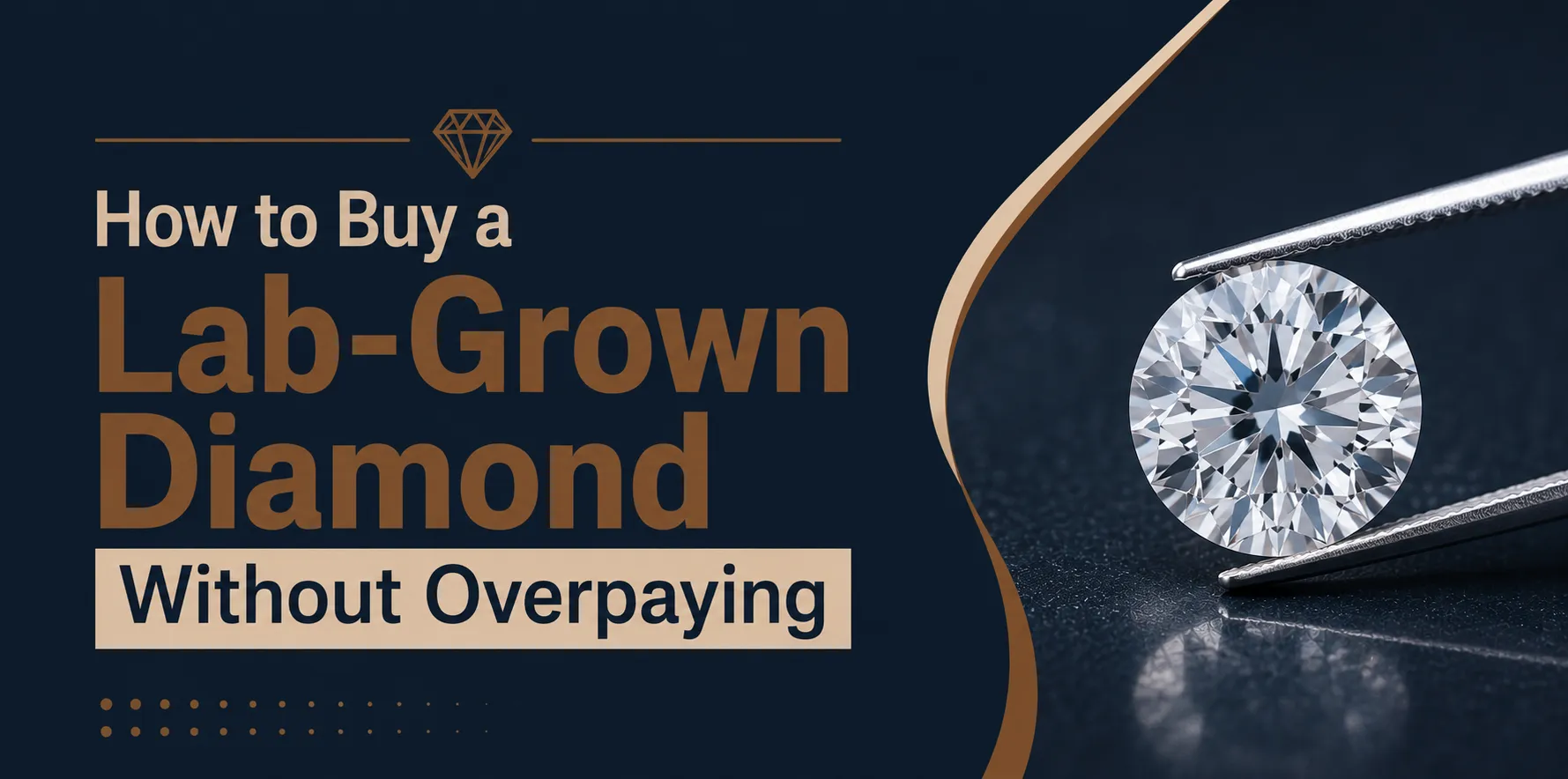
Lab-grown diamonds have revolutionized the jewelry industry by offering the beauty and brilliance of natural diamonds at a more accessible price. However, just because lab-grown diamonds are generally more affordable doesn’t mean every buyer automatically gets a great deal.
In fact, many consumers unknowingly overpay due to confusing pricing structures, unnecessary upgrades, poor-quality cuts, or lack of market knowledge.
Whether you’re shopping for an engagement ring, wedding jewelry, anniversary gift, or custom jewelry piece, understanding how lab-grown diamonds are priced can save you hundreds—or even thousands—of dollars.
This guide explains exactly how to buy a lab-grown diamond without overpaying while still getting exceptional quality and long-term satisfaction.
Key Takeaways
- Lab-grown diamonds are real diamonds and can cost 30%–70% less than natural diamonds.
- Diamond prices vary significantly based on cut, color, clarity, carat weight, and certification.
- Cut quality has the biggest impact on sparkle and beauty.
- Many buyers overpay for color and clarity grades they cannot visually distinguish.
- Certification is essential for verifying quality and value.
- Comparing multiple diamonds before purchasing often leads to significant savings.
- Larger diamonds aren’t always better if cut quality is compromised.
- Understanding market pricing helps buyers avoid retailer markups.
- Custom jewelry buyers can often maximize value by choosing lab-grown center stones.
- Smart shopping focuses on overall appearance rather than simply chasing specifications.
Why Lab-Grown Diamonds Offer Better Value
Lab-grown diamonds possess the same:
- Chemical composition
- Physical properties
- Optical performance
- Hardness
- Brilliance
as natural diamonds.
The key difference is origin.
Natural diamonds form underground over billions of years, while lab-grown diamonds are created in controlled laboratory environments using advanced technology.
Because production costs are lower than mining and supply chains are shorter, consumers often receive significantly more value for their money.
Step 1: Set a Realistic Budget First
One of the biggest mistakes buyers make is shopping for diamonds before determining their budget.
Instead, establish:
Your Total Jewelry Budget
Consider:
- Center diamond
- Ring setting
- Side stones
- Taxes
- Shipping
- Insurance
Your Ideal Spending Range
For example:
- Target Budget: $2,500
- Maximum Budget: $3,000
Having clear limits prevents emotional overspending later.
Step 2: Understand the 4Cs Before Shopping
Every lab-grown diamond is priced according to the same grading system used for natural diamonds.
Cut
The most important factor.
Cut determines:
- Sparkle
- Fire
- Brilliance
- Light performance
A well-cut diamond often appears more beautiful than a larger diamond with poor proportions.
Expert Recommendation
Never sacrifice cut quality to increase carat size.
Color
Diamond color grades range from D (colorless) to Z (noticeable color).
Most buyers cannot distinguish between:
- D
- E
- F
- G
when viewed without magnification.
Best Value Range
F–H color grades typically provide excellent value.
Clarity
Clarity measures internal inclusions and surface imperfections.
Many consumers unnecessarily pay premiums for flawless grades.
Best Value Range
VS1, VS2, and SI1 often appear eye-clean while costing significantly less.
Carat Weight
Carat refers to weight, not visual size.
Many buyers overpay by targeting popular milestones such as:
- 1.00 carat
- 1.50 carat
- 2.00 carat
These sizes often carry pricing premiums.
Smart Strategy
Consider:
- 0.90 ct instead of 1.00 ct
- 1.40 ct instead of 1.50 ct
- 1.90 ct instead of 2.00 ct
The visual difference is minimal, while savings can be substantial.
Step 3: Prioritize Cut Over Everything Else
If your goal is maximum beauty, prioritize cut quality above all other characteristics.
A superior cut provides:
- Better sparkle
- Better brilliance
- Better light return
- More visual impact
Recommended Cut Grades
- Excellent
- Ideal
- Super Ideal
Poorly cut diamonds can appear dull regardless of size or clarity.
Step 4: Always Buy a Certified Diamond
Certification protects buyers from inaccurate quality claims.
Trusted grading organizations include:
- IGI
- GIA
A grading report confirms:
- Carat weight
- Color grade
- Clarity grade
- Cut quality
- Measurements
- Growth method
Never purchase a diamond without independent certification.
Step 5: Compare Multiple Diamonds
Many buyers purchase the first attractive diamond they find.
This often leads to overpaying.
Instead:
Compare Similar Specifications
Review several diamonds with comparable:
- Carat weight
- Color
- Clarity
- Cut grade
You may discover significant price differences between seemingly identical stones.
Step 6: Avoid Paying for Invisible Upgrades
Retailers frequently promote premium grades that offer little visible improvement.
Common Overpayment Examples
D Color Instead of F Color
The difference is usually impossible to notice without side-by-side comparison.
Flawless Instead of VS1
Most inclusions in VS1 diamonds cannot be seen without magnification.
Oversized Carat Milestones
Round-number carat weights often command higher prices.
Smart Buying Principle
Pay for what you can actually see.
Step 7: Choose the Right Diamond Shape
Diamond shape significantly affects pricing.
Most Expensive Shapes
- Round Brilliant
Rounds require more rough diamond material during cutting.
Better Value Shapes
- Oval
- Cushion
- Pear
- Emerald
- Radiant
These shapes often appear larger than round diamonds of identical carat weight.
Value Winner
Oval and pear shapes frequently offer outstanding visual size for the money.
Step 8: Don’t Ignore Diamond Measurements
Two diamonds with identical carat weights can appear very different in size.
Always review:
- Length
- Width
- Depth
- Table percentage
A diamond carrying excess weight in depth may appear smaller than expected.
Step 9: Consider Custom Jewelry Options
Custom jewelry can sometimes deliver better overall value than pre-made designs.
Benefits include:
- Personalized styling
- Better budget control
- Flexible diamond selection
- Unique craftsmanship
Many buyers choose larger lab-grown center stones when creating custom engagement rings or anniversary jewelry.
Cost Considerations
The final cost of a lab-grown diamond depends on several factors.
| Factor | Impact on Price |
| Carat Weight | Very High |
| Cut Quality | High |
| Color Grade | High |
| Clarity Grade | Moderate |
| Shape | Moderate |
| Certification | Essential |
| Brand Markup | Variable |
Understanding these factors helps buyers focus their budget where it matters most.
Common Mistakes That Cause Buyers to Overpay
Mistake #1: Buying Based Only on Carat Weight
Bigger isn’t always better.
Mistake #2: Ignoring Cut Quality
Cut influences beauty more than any other characteristic.
Mistake #3: Choosing Flawless Grades Unnecessarily
Most buyers cannot see the difference.
Mistake #4: Skipping Certification
Uncertified diamonds create unnecessary risk.
Mistake #5: Not Comparing Prices
Shopping around often reveals better value.
Mistake #6: Falling for Sales Tactics
Marketing terms such as “exclusive” or “rare” don’t always justify higher prices.
Is It Worth Buying a Lab-Grown Diamond?
For many buyers, absolutely.
Lab-grown diamonds provide:
- Exceptional beauty
- Real diamond durability
- Better affordability
- Larger stone options
- Excellent customization opportunities
Consumers can often purchase a larger, higher-quality diamond while remaining within budget.
Expert Recommendations
Industry professionals commonly suggest the following approach:
Prioritize Cut First
Choose Excellent or Ideal cut grades whenever possible.
Stay Flexible on Color
F–H grades often provide the best balance of appearance and value.
Choose Eye-Clean Clarity
VS1, VS2, and many SI1 diamonds appear flawless without magnification.
Avoid Premium Carat Milestones
Slightly under popular weights can deliver meaningful savings.
Insist on Certification
Independent grading protects your investment.
Compare Multiple Options
Never purchase the first diamond you see.
Smart Buyer Checklist
Before purchasing, confirm:
- Certified diamond
- Excellent or Ideal cut
- Appropriate color grade
- Eye-clean clarity
- Competitive pricing
- Return policy
- Warranty coverage
- Reputable retailer
- Diamond measurements reviewed
- Budget maintained
Frequently Asked Questions
How much should I spend on a lab-grown diamond?
There is no universal rule. Choose a budget that aligns with your financial goals and priorities rather than following outdated spending guidelines.
What is the best clarity grade for value?
VS1, VS2, and many SI1 diamonds often provide the best balance between appearance and affordability.
Is a 2-carat lab-grown diamond worth buying?
Yes, provided the diamond has excellent cut quality and is competitively priced.
Should I choose a bigger diamond or better quality?
In most cases, a better-cut diamond delivers greater visual impact than simply increasing carat weight.
Are lab-grown diamonds a good choice for engagement rings?
Yes. They offer exceptional beauty, durability, and value, making them one of the fastest-growing choices among modern couples.
Final Verdict
Buying a lab-grown diamond without overpaying comes down to understanding what truly affects beauty and value. Rather than chasing the highest color grades, flawless clarity, or milestone carat weights, smart buyers focus on cut quality, certification, and overall appearance.
By comparing multiple diamonds, avoiding unnecessary upgrades, and prioritizing what actually matters, you can secure a stunning lab-grown diamond while keeping your budget intact.
For buyers looking for certified lab-grown diamond jewelry, engagement rings, and custom-made designs, Custom Karat offers expertly crafted pieces that help maximize beauty, quality, and value without paying unnecessary premiums.

About Author Brijesh Sharma
Brijesh Sharma is a jewelry retail industry author who shares expert insights on diamonds, lab-grown jewelry, custom designs, and smart jewelry buying. His content helps customers understand quality, pricing, trends, and craftsmanship so they can make confident jewelry purchase decisions.