No products added!

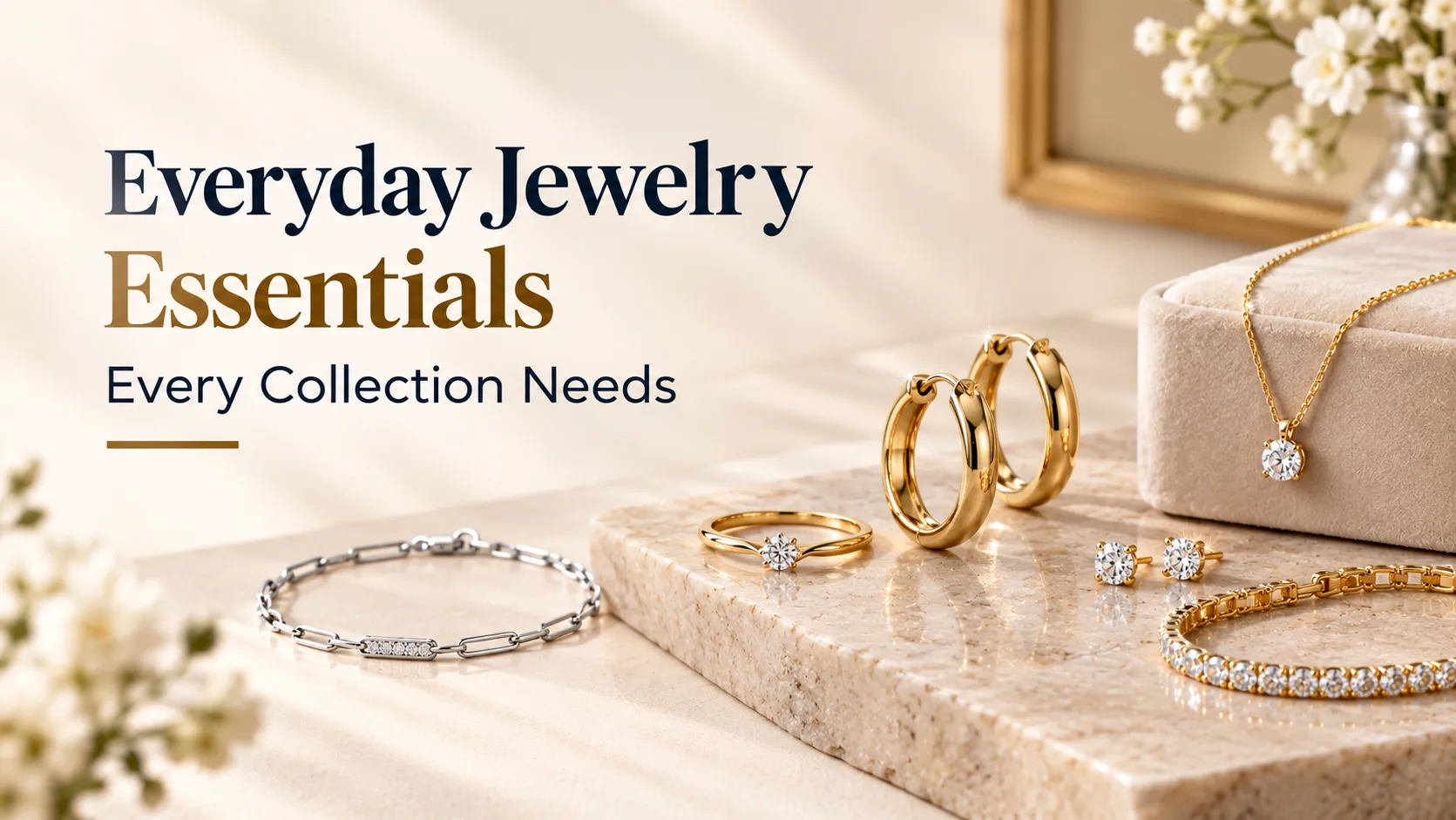
A solid everyday jewelry collection starts with a few versatile basics. A simple chain necklace, stud earrings, a stackable ring or two, a tennis bracelet or thin bangle, and a watch or timeless bracelet. These pieces work with almost any outfit, hold up to daily wear, and give you a foundation to build statement pieces around, instead of buying trend pieces first and ending up with nothing that actually goes together.
Building a jewelry collection is easy to overcomplicate. The trick isn’t buying more, it’s buying the handful of pieces that get worn constantly, in that order, before anything else.
Key Takeaways
- Start with pieces you’ll wear daily, not occasionally. A jewellery collection built on statement pieces tends to sit in a drawer first.
- A simple chain necklace and stud earrings are the two most-worn categories, and the easiest to get wrong by overbuying trendy versions first.
- Stackable rings are more flexible than one large statement ring, since they can be worn together or separately depending on the day.
- Metal consistency matters less than it used to. Mixing gold and silver is standard now, so essentials don’t need to match perfectly.
- Build the collection in a specific order: necklace, earrings, rings, bracelet, then layer in statement pieces once the basics are covered.
Why “Essentials First” Actually Matters
It’s tempting to buy the piece that catches your eye first, but jewelry that only works with one outfit or one occasion ends up worn a handful of times a year. Essentials solve the opposite problem: they’re designed to disappear into daily life, which is exactly why they get reached for constantly. A well-chosen set of basics also makes every future purchase easier, since a statement piece has something to pair with instead of standing alone.
1. A Simple Chain Necklace
This is the single most versatile piece in any collection. A thin, unadorned chain, in gold or silver, works layered, worn alone, tucked under a collar, or paired with a pendant later.
What to look for:
- Length: 16-18 inches sits at the collarbone and works for nearly any neckline; 20-24 inches layers well under other pieces.
- Chain style: Cable or box chains are the most durable for daily wear; delicate styles like snake chains look elegant but tangle and wear faster.
- Metal: 14k gold or sterling silver holds up better day-to-day than plated options, which thin and discolour with regular contact.
2. Stud Earrings
Studs are worn more consistently than almost any other jewelry category, simply because they’re low-maintenance and go with everything.
What to look for:
- A small diamond, cubic zirconia, or plain metal stud in the 3-5mm range covers the widest range of outfits and occasions.
- Secure, comfortable backings matter more here than anywhere else, since these are worn all day, every day.
- Solid gold or platinum posts are worth the upgrade if you have sensitive ears, since plated posts are a common cause of irritation over time.
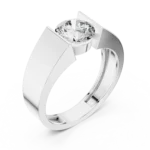
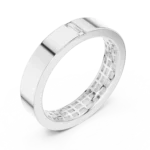
3. Stackable Rings
A single statement ring gets noticed once. A couple of thin, stackable bands get worn constantly, since they can be combined, split up, or worn on different fingers depending on the day.
What to look for:
- Thin bands (1-2mm) in a mix of textures, plain, twisted, pavé, stack well without competing with each other.
- Consistent ring sizing across the set makes them easy to wear in different combinations without one feeling loose or tight.
- If you already wear an engagement ring or wedding band, choose stacking pieces that complement its profile rather than fight it.
4. A Bracelet That Can Take Daily Wear
A tennis bracelet, thin bangle, or simple chain bracelet rounds out the everyday set. This is the piece most likely to catch on clothing or bags, so durability matters more here than almost anywhere else.
What to look for:
- A secure clasp (box clasps and lobster clasps hold up better than simple hooks for daily wear).
- Slightly looser fit than you’d think, since bracelets worn too snug catch on cuffs and sleeves throughout the day.
- 14k gold or platinum settings for anything with stones, since daily wear means daily bumps.
5. A Watch or Timeless Bracelet-Style Piece
Not everyone wears a watch daily anymore, but this category still earns its place, whether it’s an actual timepiece or a substantial bracelet that serves the same “anchor piece” role on the wrist. It’s usually the piece that ties an entire look together and the one that gets complimented most consistently over time.
How the Pieces Work Together
The real value of an essentials collection isn’t any single piece, it’s how they combine. A chain, necklace, and stud earrings alone cover most day-to-day needs. Add stackable rings for texture, a bracelet for the wrist, and the collection starts working as a system rather than a pile of individual items you have to think hard about pairing every morning.
This is also where building pieces yourself has an advantage over buying them piecemeal from different places. When your studs, chain, and stacking rings are chosen (or made) with the same materials and finish in mind, they end up looking intentional together instead of like separate impulse buys from different years.
What to Buy First If You’re Starting From Scratch
If budget or timing means buying one piece at a time, this order gets the most everyday use out of each purchase:
- Stud earrings: worn the most, cost the least to get right.
- A simple chain necklace: the most versatile single piece.
- One or two stacking rings: flexible, low commitment.
- A durable bracelet: rounds out the set once the first three are in daily rotation.
- Statement pieces last: once the basics are covered, everything else becomes easier to choose because it has something to pair with.
The Bottom Line
An everyday collection isn’t about owning more jewelry, it’s about owning the handful of pieces that actually get worn, in materials that hold up to being worn that often. Get the essentials right first, and statement pieces stop being a gamble and start being additions to something that already works.
If you’re building this collection piece by piece, it helps to keep the metal and quality consistent across everything, rather than assembling it from wherever’s convenient at the time. Custom Karat lets you build each essential, chain, studs, stacking rings, bracelet, in the metal and finish that actually suits you, choosing from designs already on the site or customizing from scratch, so the collection comes together as a set instead of a collection of one-offs.
Frequently Asked Questions
What jewelry should I buy first if I’m starting a collection?
Stud earrings and a simple chain necklace are usually the best starting points, since they’re worn the most consistently and work with nearly any outfit. Stackable rings and a durable bracelet round out the essentials after that.
Do my everyday pieces need to match in metal?
No. Mixing gold and silver is standard styling now, not a mismatch. It’s more important that pieces share a similar weight and finish quality than that they match in color.
What’s the most durable metal for everyday jewelry?
14k gold and platinum are generally the most durable choices for daily wear, since they resist scratching and tarnish better than plated pieces or softer, higher-karat gold.
How many stacking rings should I start with?
Two or three thin bands is usually enough to start, since it gives you flexibility to wear them together or separately without overcrowding the hand.
Is it worth buying real gold for everyday pieces, or is plated fine?
For pieces worn constantly, solid gold or platinum holds up significantly better than plated jewelry, which thins and discolors with regular contact over months of daily wear.
Should I buy statement pieces or essentials first?
Essentials first. A jewelry collection built around statement pieces tends to leave gaps for everyday wear, while a strong set of basics makes every statement piece easier to style once it’s added.

About Author Priyanka Kale
Priyanka Kale is a jewelry retail industry author who shares knowledge on diamonds, lab-grown jewelry, custom designs, and jewelry buying tips. Her content helps customers understand quality, pricing, trends, and craftsmanship before making confident jewelry purchase decisions.