No products added!


Introduction
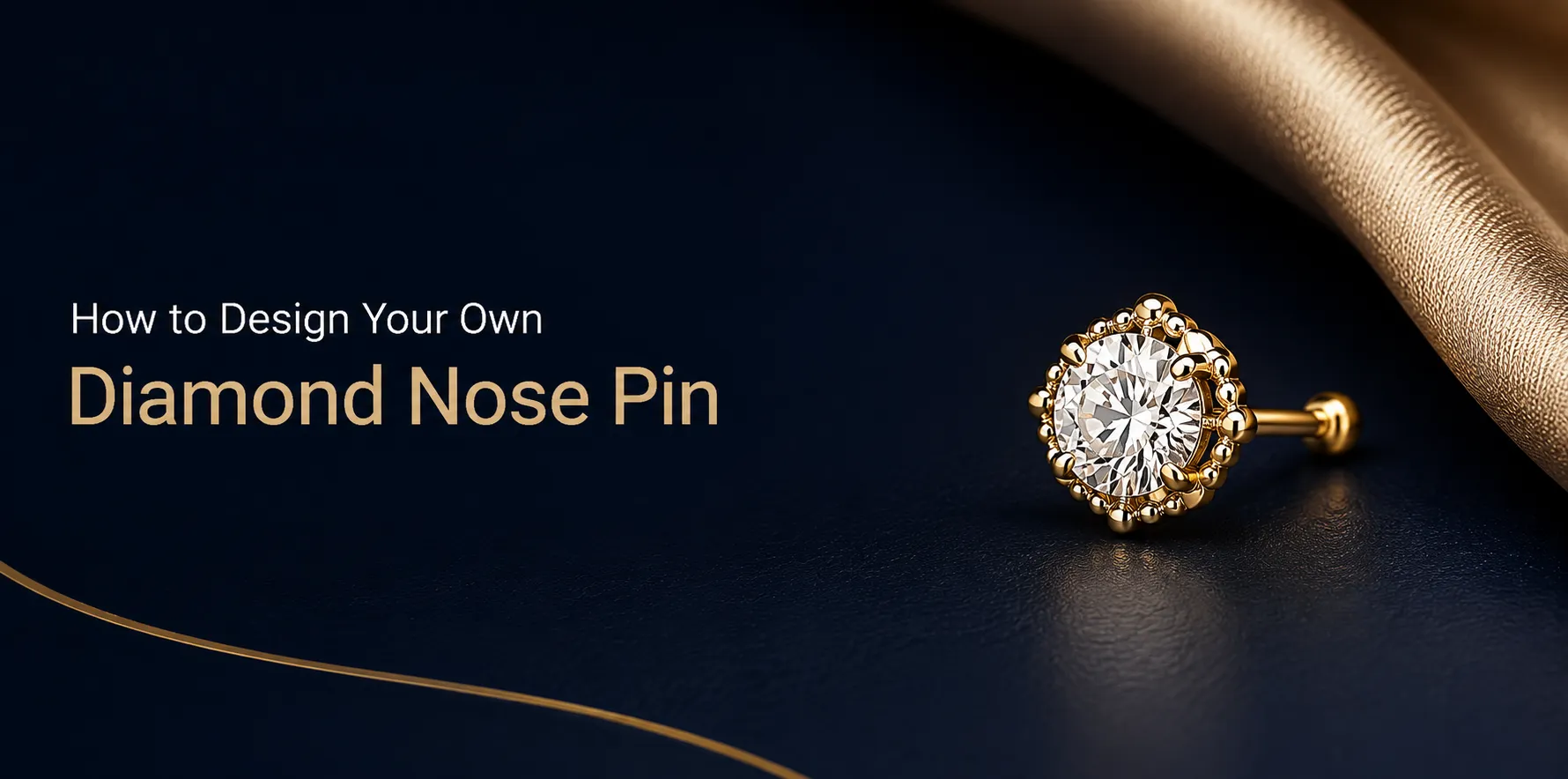
Designing your own diamond nose pin is a great way to create jewelry that feels personal, elegant, and comfortable for daily wear.
Unlike larger jewelry pieces, a nose pin sits on a sensitive and highly visible area of the face. This means the design should not only look beautiful but also feel lightweight, secure, smooth, and skin-friendly.
A custom diamond nose pin allows you to choose the diamond type, size, shape, metal, setting, backing style, finish, and overall design. Whether you want a minimal diamond nose stud, bridal nose pin, flat-back nose stud, screw-style nose pin, or custom design, every small detail matters.
This guide explains how to design your own diamond nose pin step by step.
Key Takeaways
- A custom diamond nose pin gives buyers control over diamond size, shape, metal, setting, and backing style.
- Comfort, metal quality, skin safety, and fit are very important for nose jewelry.
- Lab-grown diamonds and natural diamonds can both be used in custom nose pins.
- Smaller diamonds are often better for everyday wear because they feel lighter and more comfortable.
- The setting should hold the diamond securely without feeling sharp or bulky.
- Backing style affects how easy the nose pin is to wear and how securely it stays in place.
- A well-designed diamond nose pin should look elegant, feel smooth, and suit the wearer’s piercing type.
What Does It Mean to Design Your Own Diamond Nose Pin?
Designing your own diamond nose pin means creating a nose jewelry piece based on your preferred style, comfort, and piercing needs.
Instead of choosing a standard design, you can customize the important details to create a nose pin that suits your face, lifestyle, and personal taste.
You can customize:
- Diamond type
- Diamond size
- Diamond shape
- Metal type
- Setting style
- Backing style
- Post thickness
- Nose pin size
- Finish
- Design shape
- Bridal or everyday style
This makes custom nose pins ideal for buyers who want something delicate, secure, and personally designed.
Step 1: Decide the Purpose of the Nose Pin
Start by deciding how and when the nose pin will be worn.
The purpose will help you choose the right size, setting, metal, and backing style.
Everyday Nose Pin
An everyday nose pin should be lightweight, smooth, and comfortable. A small diamond stud or minimal design is usually easier to wear daily because it does not feel heavy or distracting.
Bridal Nose Pin
A bridal nose pin can be more detailed and decorative. For bridal designs, buyers may choose larger diamonds, unique shapes, added accents, or matching jewelry elements.
Minimal Diamond Nose Stud
A minimal nose stud gives a clean and elegant look. It is a good choice for buyers who want subtle sparkle without a bold or heavy design.
Statement Nose Pin
A statement nose pin is designed to stand out. For this style, diamond size, shape, setting height, and comfort should be planned carefully so the piece looks bold but still feels wearable.
Gift Nose Pin
A custom nose pin can also be designed as a meaningful gift.
In this case, choosing a classic shape, safe metal, and comfortable backing style is usually the best approach.
Step 2: Choose Lab-Grown or Natural Diamonds
You can design a diamond nose pin with lab-grown diamonds or natural diamonds.
Both options can create beautiful fine jewelry. The right choice depends on budget, preference, and the meaning behind the piece.
Lab-Grown Diamonds
Lab-grown diamonds are real diamonds created in controlled laboratory environments. They are popular for custom nose pins because they offer real diamond beauty, strong value, and good design flexibility.
Lab-grown diamonds are ideal for buyers who want:
- Real diamond sparkle
- Better value
- Small luxury jewelry
- Custom everyday nose studs
- Bridal nose pin designs
Natural Diamonds
Natural diamonds are valued for their natural origin and traditional rarity. They are often chosen by buyers who prefer classic fine jewelry or heirloom-style pieces.
Natural diamonds are ideal for buyers who value:
- Traditional diamond origin
- Natural rarity
- Classic luxury appeal
- Fine bridal jewelry
- Sentimental jewelry designs
Step 3: Select the Diamond Size
Diamond size is one of the most important decisions when designing a nose pin. A nose pin should enhance the face without feeling too heavy, sharp, or uncomfortable.
Small Diamond Size
Small diamonds are ideal for everyday wear. They give a clean sparkle and are usually easier to wear for long hours.
Medium Diamond Size
Medium-size diamonds offer more visibility while still looking elegant. They work well for buyers who want a noticeable nose pin without making it too bold.
Larger Diamond Size
Larger diamonds create stronger visual impact.
They are better suited for bridal wear, special occasions, or statement designs, but comfort and setting height should be checked carefully.
The best diamond size depends on face shape, piercing placement, comfort preference, and how often the nose pin will be worn.
Step 4: Choose the Diamond Shape
Diamond shape affects the final look of the nose pin.
Because nose pins are small, the shape should be selected carefully so it looks clear and balanced when worn.
Round
Round diamonds are the most classic and popular choice for nose pins. They offer strong sparkle and work well for both minimal and bridal designs.
Princess
Princess cut diamonds have a modern square shape. They are suitable for buyers who prefer a sharper, geometric look.
Pear
Pear-shaped diamonds feel delicate and stylish. They can create a graceful look, but the setting should be smooth and secure.
Heart
Heart-shaped diamonds are romantic and expressive. They work well for gift jewelry or buyers who want a more personal design.
Floral-Inspired Shape
Floral nose pins can use diamonds in a small flower-like layout. This style is popular for feminine, festive, or bridal-inspired jewelry.
Step 5: Focus on Diamond Quality
Diamond quality affects the sparkle and appearance of the nose pin. Since nose pins usually use smaller diamonds, the diamond should look bright, clean, and well-cut.
Cut
Cut quality affects how much the diamond sparkles. Even a small diamond can look beautiful when it is well cut and properly set.
Color
Color grade affects how white or warm the diamond appears. For nose pins, the metal color can influence how noticeable the diamond color looks.
Clarity
Clarity refers to internal or surface characteristics in the diamond. For smaller stones, the goal is usually to choose a diamond that looks clean to the eye.
Carat
Carat refers to diamond weight. For nose pins, comfort and size balance matter more than choosing the highest carat weight.
Step 6: Choose the Metal
Metal choice is extremely important for nose pins because the jewelry touches sensitive skin.
The right metal should feel comfortable, safe, smooth, and suitable for long-term wear.
Gold
Gold is a popular choice for fine nose pins. 14K and 18K gold are commonly used because they offer a balance of beauty, durability, and comfort.
White Gold
White gold gives a clean and modern appearance. It pairs well with diamonds and suits buyers who prefer a bright, polished look.
Rose Gold
Rose gold has a soft and romantic tone. It works well for delicate, feminine, and gift-focused nose pin designs.
Platinum
Platinum is premium, strong, and naturally white. It can be a good option for buyers who want high-end nose jewelry with strong durability.
Sterling Silver
Sterling silver can be used for select designs, but buyers should consider skin sensitivity and long-term wear needs. For sensitive skin, always confirm the metal quality before ordering.
Step 7: Choose the Setting Style
The setting holds the diamond in place and affects comfort, sparkle, and safety. For nose pins, the setting should be secure but not bulky or sharp.
Prong Setting
A prong setting holds the diamond with small metal claws. It allows more light to enter the diamond, creating strong sparkle, but the prongs should be smooth and well-finished.
Bezel Setting
A bezel setting surrounds the diamond with metal. It offers a smooth and secure design, making it a practical choice for everyday nose pins.
Flush Setting
A flush setting places the diamond into the metal surface. It creates a low-profile look and can feel more comfortable for daily wear.
Cluster Setting
A cluster setting uses multiple small diamonds together. This can create more sparkle, but the design should remain lightweight and smooth.
Step 8: Select the Backing Style
Backing style affects how the nose pin fits, stays in place, and feels during daily wear. This is one of the most important parts of custom nose pin design.
L-Shaped Backing
An L-shaped backing is easy to insert and remove. It is a common choice for simple daily-wear nose pins.
Screw Backing
A screw backing twists into place and offers a secure fit. It is useful for buyers who want the nose pin to stay firmly in place.
Flat Back
A flat-back nose stud has a smooth backing that sits comfortably inside the nose. It is a good option for buyers who want a clean and comfortable fit.
Bone Style
A nose bone has a straight post with a small end that helps hold it in place. It can be simple to wear, but fit and comfort should be checked carefully.
The right backing depends on piercing type, comfort preference, and how often the nose pin will be removed.
Step 9: Confirm Post Thickness and Fit
Post thickness affects comfort and piercing compatibility.
If the post is too thick, it may feel uncomfortable. If it is too thin, it may not feel secure.
Before finalizing the design, confirm:
- Piercing type
- Post thickness
- Backing style
- Length of the post
- Comfort level
- Ease of wearing
- Secure fit
For nose jewelry, small measurement differences can make a big impact on comfort.
Step 10: Add Personal Design Details
Personal details can make a diamond nose pin more meaningful. These details should be subtle because nose pins are small and delicate.
Custom Shape
You can design the nose pin in a heart, flower, star, teardrop, or geometric shape. The shape should stay clear and balanced at a small size.
Birthstone Accent
A tiny birthstone can be added with the diamond for a personal touch. This works well for gift jewelry or meaningful custom designs.
Two-Tone Metal
Two-tone metal can make the design more unique. It should be used carefully so the nose pin does not look too busy.
Minimal Symbol
A small symbol can add meaning without making the design heavy. This is suitable for buyers who want simple but personal jewelry.
Step 11: Review the CAD Design
CAD stands for Computer-Aided Design. A CAD preview helps buyers review the nose pin before production begins.
Diamond Placement
CAD shows where the diamond will sit in the design. This helps confirm that the stone is centered, balanced, and secure.
Setting Height
CAD helps show how high the diamond sits above the metal. A lower setting is usually more practical for daily wear.
Backing Design
CAD can help confirm the backing structure. This is important for comfort, fit, and long-term wearability.
Overall Size
CAD shows the actual size and proportion of the nose pin. This helps avoid ordering a piece that looks too large or too small after production.
Step 12: Approve Production
Once the design is approved, the nose pin moves into production. The production process turns the approved design into a finished jewelry piece.
Casting or Metal Forming
The nose pin is created in the selected metal. Clean shaping is important because nose jewelry should feel smooth and safe.
Stone Setting
The diamond is carefully set into the design. Secure stone setting helps keep the diamond in place during regular wear.
Polishing and Finishing
The nose pin is polished for a smooth and clean finish Good finishing is important because rough edges can cause discomfort.
Quality Inspection
The finished nose pin should be checked for stone security, smoothness, size accuracy, backing strength, and comfort.
This helps ensure the final piece is wearable and matches the approved design.
Custom Diamond Nose Pin vs Ready-Made Nose Pin
| Factor | Custom Diamond Nose Pin | Ready-Made Nose Pin |
| Design Control | High | Limited |
| Diamond Choice | Flexible | Pre-Selected |
| Metal Choice | Flexible | Limited |
| Backing Style | Customizable | Standard |
| Size and Fit | Customizable | Standard |
| Personalization | Strong | Limited |
| CAD Approval | Available | Usually Not |
| Uniqueness | High | Moderate |
Ready-made nose pins are useful when speed matters.
Custom diamond nose pins are better when buyers want control over diamond size, metal, backing style, comfort, and personal design.
Common Mistakes to Avoid
Choosing a Design That Is Too Heavy
A nose pin should feel light and comfortable. A design that is too heavy may pull, irritate, or feel uncomfortable during daily wear.
Ignoring Metal Quality
Metal quality matters because nose pins touch sensitive skin. Poor-quality metal can cause discomfort, irritation, or faster tarnishing.
Choosing the Wrong Backing
The backing affects comfort and security. Always choose a backing style that matches the wearer’s piercing and comfort preference.
Selecting a Diamond That Is Too Large
A larger diamond may look attractive, but it may not be practical for daily wear. Balance size with comfort and face proportions.
Skipping CAD Review
CAD approval helps confirm size, stone placement, setting height, and backing style before production. This is especially useful for small custom jewelry where details matter.
Overlooking Smooth Finishing
A nose pin should not have rough edges or sharp points. Smooth finishing is essential for comfort and safety.
Expert Tips for Designing a Diamond Nose Pin
Keep It Lightweight
A nose pin should feel easy to wear throughout the day. Lightweight designs are usually more comfortable and practical.
Prioritize Skin-Friendly Metal
Choose quality metal that suits sensitive skin.n Gold, platinum, and carefully selected fine jewelry metals are better for long-term wear.
Choose a Practical Diamond Size
The diamond should be visible but not uncomfortable. For everyday wear, smaller and well-cut diamonds usually work best.
Select a Secure Setting
The setting should hold the diamond firmly. Bezel and well-finished prong settings are popular choices for nose pins.
Confirm the Backing Style
The backing should match the wearer’s piercing and comfort preference. This small detail can make a big difference in daily wear.
Review CAD Carefully
Check size, setting height, backing structure, and diamond placement before approval. A small design mistake can be more noticeable in nose jewelry.
Why Design Your Diamond Nose Pin With Custom Karat?
Custom Karat helps buyers create personalized diamond nose pins with more control over design, diamonds, metal, fit, and budget.
With Custom Karat, buyers can create:
- Diamond nose studs
- Minimal nose pins
- Bridal nose pins
- Flat-back nose studs
- Screw-back nose pins
- Custom-shaped nose pins
- Lab-grown diamond nose pins
- Natural diamond nose pins
Custom Karat offers lab-grown and natural diamond options, premium metal choices, custom design support, CAD design previews, transparent pricing, direct manufacturer value, expert craftsmanship, and secure USA shipping.
Instead of choosing only from standard designs, buyers can create a diamond nose pin that feels personal, comfortable, elegant, and made around their style.
Final Verdict
Designing your own diamond nose pin gives you the freedom to create jewelry that feels elegant, personal, and comfortable.
The best custom nose pin is not always the largest or most expensive one. It is the piece that balances diamond quality, metal safety, setting security, backing style, comfort, and craftsmanship.
For buyers who want more control than ready-made nose jewelry can offer, designing a custom diamond nose pin is a smart choice.
Custom Karat helps modern buyers design diamond nose pins with lab-grown or natural diamonds, premium metals, CAD approval, transparent pricing, and direct manufacturer craftsmanship.
FAQs
Can I design my own diamond nose pin online?
Yes. You can design your own diamond nose pin online by choosing the diamond, metal, size, setting, backing style, and custom design details.
Can lab-grown diamonds be used in nose pins?
Yes. Lab-grown diamonds can be used in custom nose pins, nose studs, bridal nose pins, and minimal everyday designs.
What diamond size is best for a nose pin?
Smaller diamonds are usually best for daily wear because they are lightweight, comfortable, and elegant.
What metal is best for diamond nose pins?
Gold, white gold, rose gold, and platinum are popular options. The best metal depends on skin sensitivity, design, and budget.
Which backing is best for a nose pin?
L-shaped, screw, flat-back, and bone-style backings are common options. The best choice depends on piercing type and comfort preference.
Why is CAD approval important for nose pins?
CAD approval helps confirm size, diamond placement, setting height, backing style, and overall design before production.
Can I customize a bridal diamond nose pin?
Yes. Bridal nose pins can be customized with diamond size, shape, metal, backing style, and additional design details.
Is a custom diamond nose pin better than a ready-made nose pin?
A custom nose pin is better if you want control over diamond size, metal, setting, backing style, comfort, and personal design.

About Author Brijesh Sharma
Brijesh Sharma is a jewelry retail industry author who shares expert insights on diamonds, lab-grown jewelry, custom designs, and smart jewelry buying. His content helps customers understand quality, pricing, trends, and craftsmanship so they can make confident jewelry purchase decisions.